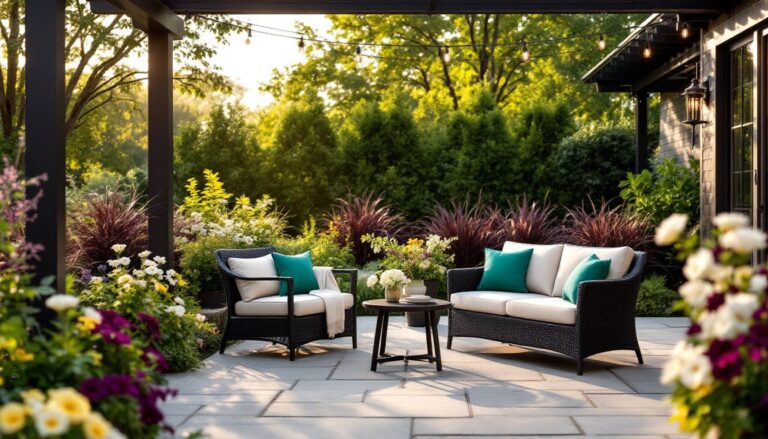
A well-chosen 5-piece patio furniture set transforms your outdoor space into a functional and inviting gathering spot. Whether you’re furnishing a small balcony or a sprawling backyard, a five-piece configuration, typically a table, four chairs, or loveseat-and-chair combo, offers balance without overwhelming the space. Unlike buying furniture piecemeal, a coordinated set delivers visual harmony and often better value. The real question isn’t whether you need one, but which style, material, and layout will work best for your climate, budget, and how you actually live outside. This guide covers the essential factors to help you make a smart choice.
Table of Contents
ToggleKey Takeaways
- A 5-piece patio furniture set offers the perfect balance of seating capacity and space efficiency, making it ideal for small gatherings and flexible rearrangement in modest outdoor spaces.
- Material choice directly impacts durability and maintenance—aluminum resists rust, teak offers natural rot resistance, and synthetic wicker outperforms natural rattan in wet climates.
- Invest in weather-resistant finishes like powder-coated metal and solution-dyed fabrics (Olefin, Sunbrella) to maximize the lifespan of your patio furniture set.
- Mid-range sets ($800–$1,500) typically deliver better long-term value than budget options when you prioritize reinforced joints, treated table tops, and quality cushion construction.
- Regular maintenance—monthly cleaning, seasonal tightening of bolts, and prompt cushion storage—can extend your patio furniture investment by years and prevent costly repairs.
- End-of-season sales (late August through September) can save 30–50% on patio furniture purchases, though color and style selection may be more limited.
Why a 5-Piece Patio Set is Perfect for Your Outdoor Space
A 5-piece patio furniture set hits a sweet spot in practicality and versatility. Four chairs and a table suit a range of scenarios, informal weeknight dinners, weekend entertaining, morning coffee, or simply lounging solo. Unlike larger sectional setups, a five-piece doesn’t monopolize a modest deck or patio: you can rearrange pieces if you need to reclaim space.
The set also simplifies buying decisions. Instead of hunting down matching pieces individually (which often leads to style clashes or proportions that don’t work), you’re getting a designer-vetted combination. A coordinated set is typically easier to clean and maintain as a unit, and replacement cushions or parts are usually available from the same manufacturer.
Think of it as the Goldilocks option: enough seating for small gatherings and family meals, but nimble enough to work in tight spaces. If you’re upgrading from mismatched hand-me-downs or plastic lawn chairs, the jump in comfort and aesthetics is immediate.
Materials Matter: Comparing Durability and Style
Your patio furniture endures sun, rain, temperature swings, and heavy use. The material you choose will determine how long your investment lasts and how much upkeep it demands.
Aluminum frames are lightweight, rust-resistant, and affordable. They’re a solid workhorse material for most climates. Aluminum doesn’t rot or splinter, making it ideal if you’re in a humid region or near saltwater. The downside is that pure aluminum can feel insubstantial, and the frame alone looks industrial without cushions.
Steel (usually powder-coated) is sturdy and holds weight well, but rusting is a real concern if the coating chips or if you live in a corrosive environment. It’s heavier than aluminum, which matters if you move furniture frequently.
Wood (teak, cedar, acacia) brings warmth and natural aesthetics. Teak is the premium choice, naturally oily and extremely rot-resistant, but it’s pricey and requires occasional sanding to maintain its silvery patina. Cedar and acacia are budget-friendlier but need regular sealing or staining to resist decay. Living room set furniture often showcases similar material principles indoors: the same logic applies outside.
Wicker and rattan (natural or synthetic) offer comfort and a relaxed vibe. Synthetic wicker resists moisture and UV fade far better than natural rattan, making it the practical choice for permanent outdoor placement. Real wicker works only in covered, dry spaces.
Weather-Resistant Materials and Longevity
Durability depends on both material and finish. A resin wicker frame on an aluminum undercarriage resists rot and rusting while keeping costs moderate. Powder-coated finishes on metal add a protective layer against oxidation and UV damage. High-quality cushion fabrics (Olefin, Sunbrella) are solution-dyed, meaning the color is locked in during manufacturing, they resist fading far longer than surface-dyed fabrics.
In wet climates, avoid cushion fabrics that trap moisture: look for quick-dry or moisture-resistant options. If your set will sit uncovered year-round, invest in a heavy-duty furniture cover. Water pooling under cushions breeds mold and speeds deterioration.
Coastal environments demand corrosion-resistant frames, aluminum or high-grade stainless steel. Salt spray degrades finishes quickly, so plan for more frequent rinsing and maintenance.
Design Styles and Layout Configurations
Your patio furniture should reflect your outdoor lifestyle and aesthetic. A contemporary set with clean lines, neutral cushions, and minimalist frames suits modern homes and small spaces. Traditional designs lean into curves, wood tones, and ornamental detailing, great if you want a classic resort feel.
Transitional styles blend both worlds and are forgiving if your decor isn’t locked into a single era. Rustic or farmhouse sets work best with natural wood or distressed finishes and coordinate with climbing vines or cottage gardens.
Layout matters too. A standard four-chair-plus-table configuration works for most decks and patios. If your space is L-shaped or has oddball dimensions, check the exact dimensions before buying. A compact bistro set (two chairs and a small table) fits a tight corner: larger conversational groupings need 10-by-12 feet at minimum to feel comfortable.
Some five-piece sets include a loveseat instead of two single chairs, worth considering if you prefer to recline or nap outside. Others swap one chair for an ottoman, increasing lounging flexibility. Resources like Better Homes & Gardens showcase how different configurations work in various outdoor settings: studying real photos helps you visualize your own space.
Budget Considerations and Value for Money
Patio furniture prices span a wide range. A budget set (synthetic wicker or painted metal) might run $400–$700 and serve you well for 3–5 years with basic care. Mid-range sets ($800–$1,500) offer better materials, thicker cushions, and longer warranties. Premium sets ($1,500 and up) feature teak, high-end wicker, or cast aluminum with premium fabrics and longer structural warranties (often 5–10 years).
Don’t confuse price with value. A $500 set made of quality materials and thoughtful design often outlasts a $1,200 set built with thin frames and low-grade fabric. Look for details: Are the chair joints reinforced? Is the table top sealed or treated? Do cushions have a zipper for easy washing?
Sales cycles matter. End-of-season clearance (late August through September) often drops prices 30–50%, though color and style selection narrows. Spring sales happen, but margins are thinner. Regional climate affects pricing too, southern retailers stock more inventory and often price competitively.
Factor in cushion replacement costs. Even the best cushions fade or wear within 5–7 years. OEM (original equipment manufacturer) replacements are often pricier than aftermarket options, so ask before committing. Furniture sets that offer a variety of alternatives for different budgets showcase the value spectrum clearly.
Maintenance and Care Tips for Year-Round Enjoyment
Proper maintenance stretches the life of your patio set significantly. Monthly cleaning with mild soap and water removes dust, pollen, and bird droppings that etch finishes over time. Use a soft brush on wicker or rattan: avoid pressure washers, which can splinter wood or force water into joints.
For metal frames, wipe dry promptly after rain to prevent water spots and corrosion. Aluminum tolerates moisture better than steel but still benefits from dry storage. Wood furniture requires annual or biennial sealing or staining, don’t skip this if you chose cedar or acacia: it’s not glamorous maintenance, but it prevents rot that costs far more to repair.
Cushions are the high-maintenance element. Most quality outdoor cushions are hand-washable: check the label. Remove and store cushions if heavy rain or freezing weather is coming. Mildew loves damp fabric, so air-dry thoroughly before stacking. If you live in a humid climate, consider breathable storage bins rather than sealed containers.
Off-season storage matters in cold climates. Bring wicker, cushions, and lightweight pieces inside for winter. Heavier metal and wood can stay covered outside, but a fitted furniture cover, not a tarp that traps condensation, minimizes UV and moisture damage.
Small repairs prevent big failures. Tighten bolts seasonally, patch small tears in cushions with outdoor fabric tape, and touch up chipped paint or finish on metal frames. Outdoor furniture inspiration galleries often feature well-maintained pieces that have lasted decades, the owners invested in upkeep. That’s the real secret.
Conclusion
Choosing a 5-piece patio furniture set is an investment in comfort and outdoor living. Prioritize durable materials suited to your climate, honest assessment of your budget, and a style that makes you want to spend time outside. The right set will feel right when you sit in it, not just when you look at it online. Measure your space, understand maintenance demands, and don’t rush the decision. A thoughtfully chosen set becomes the backbone of a functional outdoor room for years to come.