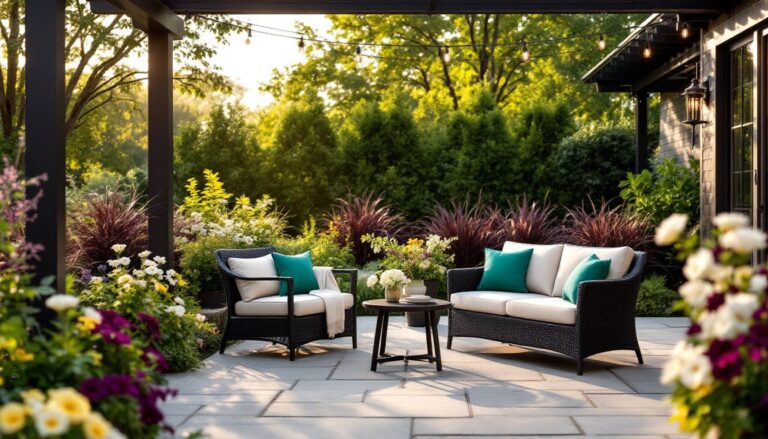
Creating a functional outdoor living space means thinking beyond just chairs and a table. Adding an umbrella to your patio furniture setup transforms a sun-exposed area into a usable retreat, whether you’re shading a dining set or lounging area. The right umbrella paired with appropriate furniture creates comfort, extends your outdoor season, and protects you and your guests from UV exposure. This guide walks you through selecting, pairing, and maintaining outdoor patio furniture with an umbrella, so you can enjoy your outdoor space without leaving it halfway through the afternoon.
Table of Contents
ToggleKey Takeaways
- A quality patio umbrella blocks 95–99% of UV rays and extends your outdoor season by making shade-exposed areas usable during midday hours.
- Choose cantilever umbrellas for flexible furniture arrangements without a center pole, or market umbrellas for affordable, stable traditional setups that work with dining tables.
- Match umbrella size to your space: a 9-foot model covers roughly 64 square feet and suits a four-person dining table, while larger lounging areas may need 10–11 feet or multiple umbrellas.
- Premium umbrella fabrics like Sunbrella last 5–7 years versus 2–3 years for basic polyester, and a sturdy base (50+ pounds for market umbrellas, 100+ for cantilever) ensures safety and stability.
- Monthly rinsing with mild soap, quarterly hardware checks, and seasonal storage in dry conditions preserve your outdoor patio furniture with umbrella for a decade or longer.
Why Add an Umbrella to Your Patio Furniture
An umbrella does more than provide shade, it changes how you use your patio. Without one, the midday sun makes sitting outside uncomfortable in much of the country. A quality umbrella overhead means you’ll actually use that furniture investment instead of watching it sit empty during peak daylight hours.
UV protection matters too. Even brief sun exposure adds up, and sitting under dappled shade or no shade at all puts you at risk. A good patio umbrella blocks 95–99% of UV rays, depending on fabric quality. That’s significant protection for you, your family, and your guests.
From a practical standpoint, shade extends your outdoor entertaining season. In hot climates, afternoon gatherings become possible again. In cooler regions, you can enjoy the shoulder seasons, spring and fall, when the sun is lower but still intense. An umbrella also protects your furniture from weathering. Sun exposure fades fabrics and breaks down finish on wood and metal over time. Shade slows that deterioration considerably.
Types of Patio Umbrellas and How They Pair With Furniture
Not all umbrellas work the same way, and your choice affects how your furniture layout functions.
Cantilever Umbrellas for Flexible Shade
Cantilever (or offset) umbrellas mount on one side, leaving the center open. This design gives you shade without a pole running through your table. They’re ideal if you want to pull chairs around freely or need maximum legroom. Cantilever umbrellas work best with deeper furniture arrangements, think a lounge seating area or a sectional.
The trade-off: they’re top-heavy and require a sturdy base, often weighing 75–150 pounds depending on size. They also cost more than traditional styles. If wind is a factor in your area, a cantilever umbrella needs either a weighted base or ground anchoring. For furniture pairing, choose a sturdy frame set or built-in base, and allow extra space around the umbrella arm for clearance.
Market and Tilting Umbrellas for Traditional Setups
Market umbrellas have a center pole that goes through the table. They’re affordable, stable, and pair well with any dining or casual seating arrangement. Tilting models let you adjust the shade angle as the sun moves, invaluable for morning or late-afternoon entertaining.
The pole does take up table space, so you’ll need a table with a hole, or a separate umbrella stand. That said, this design is foolproof for stability. A 6-foot market umbrella on a standard base works with most patio furniture. Tilting mechanisms come in hand crank or push-button styles: hand crank is more reliable long-term but requires slightly more effort. These umbrellas typically cost $150–$400 depending on fabric quality and frame material.
Selecting the Right Furniture and Umbrella Combination
Matching an umbrella to your furniture isn’t just aesthetics, it’s about function and durability working together.
Start with your space. Measure the area where you want to sit and shade. A 9-foot umbrella covers roughly 64 square feet, though the footprint depends on the sun angle. For a dining table seating four, a 9-foot umbrella is standard. For lounging or sectional seating, you might need 10–11 feet or consider two umbrellas.
Furniture material matters. Wood furniture benefits from shade but needs regular cleaning regardless. Wicker or rattan looks great but deteriorates faster in full sun, shade helps preserve it. Metal frames (aluminum or steel) are durable and lightweight: choose powder-coated finishes for better UV resistance. Cushioned furniture should use solution-dyed acrylic or performance fabric, not standard cotton, since it resists fading and mildew better.
Fabric and base considerations go hand-in-hand. Premium umbrella fabrics like Sunbrella use tight weaves and UV-blocking dyes: they last 5–7 years versus 2–3 years for basic polyester. That durability justifies the $200–$300 premium on an 8–10-foot umbrella. Your base must match your umbrella type: a 50-pound concrete or resin base works for a market umbrella in calm areas: cantilever models need bases of 100+ pounds or ground anchoring. Tile or stone patios are ideal, no digging or mounting into wood decking. Design cohesion matters, but not as much as function. A neutral umbrella (tan, gray, or cream) pairs with any furniture color. Bold stripes or patterns work if your furniture is solid-colored.
Installation, Maintenance, and Seasonal Care
Getting your setup right the first time saves frustration later.
For a market umbrella with a table hole, place the base on level ground, insert the pole, and use the set screw to lock it in place. Tighten all hardware before using, a loose pole is a safety hazard. If using a standalone base, make sure the umbrella’s weight is balanced and the base sits flush on the ground. On uneven patios, use shims or a small concrete pad.
Cantilever umbrellas need a more deliberate approach. Position the base first, you’ll want it anchored or weighted heavily. Some setups use ground anchors or footings: others rely on concrete weight. Follow the manufacturer’s instructions exactly: improper installation is the leading cause of wind-related failures.
Maintenance extends your umbrella’s lifespan significantly. Rinse fabric monthly with a soft brush and mild soap. Never pressure wash. Allow it to dry fully before closing, since trapped moisture promotes mildew. If your umbrella has a hand crank, keep the mechanism lightly oiled. Check all bolts and frame joints quarterly, tightness prevents wobbling and frame stress.
For furniture, clean wood seasonally with appropriate wood cleaner. Wicker or rattan benefits from occasional rinsing and air-drying. Cushions should be stored indoors or under a weather-resistant cover during off-season. Metal frames rarely need more than a gentle wash, but touch up any chipped paint or finish to prevent rust.
In winter or off-season, close your umbrella fully and store it in a dry location if possible. If you must leave it out, use a protective cover. Furniture without cushions can stay, but covering wood and wicker reduces weathering. In regions with heavy snow or ice, removing cushions and closing umbrellas is essential. Wet fabric under weight can tear, and frozen mechanisms can crack. Outdoor furniture investment is substantial, a little seasonal care keeps it looking and functioning well for a decade or more. Southern Living offers detailed guidance on outdoor living spaces and regional considerations for patio design. For climate-specific strategies, Gardenista covers outdoor living solutions year-round. Checking Sunset’s outdoor entertaining tips can help you plan seasonal adjustments for your patio setup.
Conclusion
An umbrella transforms your patio furniture from a occasional-use decoration into a functional outdoor room. Whether you choose a cantilever for flexibility or a traditional market umbrella for simplicity, the key is matching it to your furniture, space, and maintenance habits. Invest in quality fabric and a stable base, keep up with basic cleaning, and plan for seasonal storage. Your outdoor gathering space will reward you with years of comfortable entertaining and daily enjoyment.