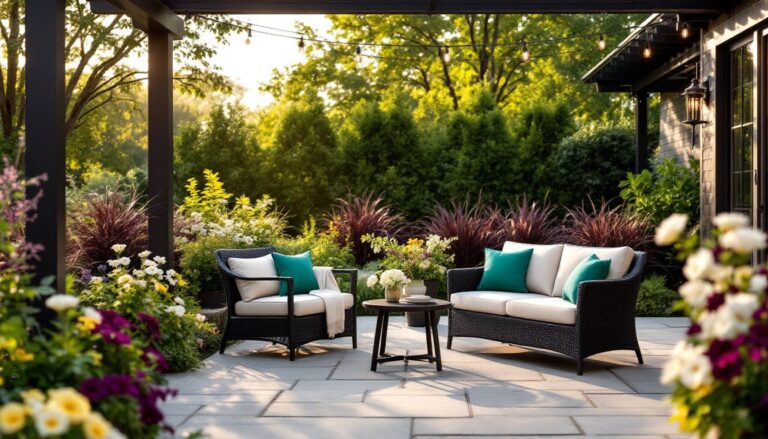
Patio furniture pillows aren’t just about looks, they’re the difference between a hard, uncomfortable chair and an inviting outdoor retreat. Whether you’re refreshing a tired seating area or building an outdoor space from scratch, the right pillows transform how your patio feels and functions. This guide covers what to look for, the main types available, and how to choose durable, stylish options that’ll last through seasons of entertaining and relaxing. Think of it as a practical roadmap for making your outdoor furniture work as hard as your living room sofa.
Table of Contents
ToggleKey Takeaways
- Patio furniture pillows transform outdoor seating from uncomfortable to inviting by adding essential cushioning, back support, and visual appeal to your space.
- The three main types of patio furniture pillows—lumbar, seat cushions, and back pillows—serve different purposes, with lumbar pillows supporting the lower back, seat cushions providing comfort for prolonged sitting, and back pillows adding aesthetic layering.
- Quality matters for durability: solution-dyed acrylic fabrics like Sunbrella resist fading and moisture, while high-density foam (1.5+ pounds per cubic foot) maintains shape for 4-5 years compared to budget polyester options that deteriorate within 2-3 seasons.
- Measure your furniture carefully before purchasing patio furniture pillows to ensure proper fit, considering seat width, depth, and backrest height for optimal comfort and visual proportion.
- Climate and location significantly influence pillow selection—coastal areas need mildew resistance, sunny patios require fade-resistant materials, and rainy regions benefit from water-repellent treatments.
- Removable, machine-washable covers with zippers extend pillow life substantially by allowing separate cleaning and maintenance without replacing the entire unit.
Why Patio Furniture Pillows Matter
It’s tempting to skip pillows and save the money, but they earn their place on any outdoor setup. A bare metal frame chair or wooden bench becomes genuinely uncomfortable after 20 minutes of sitting, your back, hips, and legs need support. Pillows add cushioning that lets people stay seated longer, which means more time enjoying the space.
Beyond comfort, pillows also shape the visual weight of your outdoor room. A neutral patio with basic furniture looks intentional and polished once you layer in color, texture, and pattern through cushions. They’re one of the easiest ways to refresh a tired setup without replacing entire pieces. Swapping out seasonal pillow colors or patterns costs far less than new furniture and keeps things looking fresh.
Durability matters too. Quality outdoor pillows resist fading, moisture, and mildew, cheap alternatives deteriorate in one season. Investing in proper pillows now means you won’t be replacing them every year, which saves money and waste in the long run.
Types of Patio Furniture Pillows
Understanding pillow categories helps you identify what your seating needs. Most outdoor setups use a mix of types to layer comfort and visual interest.
Lumbar Pillows
Lumbar pillows are those smaller, firmer cushions designed to support the lower back. They’re essential if you’re sitting for extended periods, a lounge chair without proper lumbar support leaves your spine unsupported and creates lower-back strain. Lumbar pillows typically measure 12 inches wide by 18 to 20 inches tall and work best on chairs with tall backs or sectionals where people will relax for hours.
Look for lumbar options with high-density foam cores or synthetic fill that maintains its shape through multiple seasons. Many come with zippers for easy cover removal and washing. They’re not just functional, good lumbar pillows actually look intentional and add visual interest to your seating arrangement.
Seat Cushions
Seat cushions are the workhorse pillows that make chairs sit-able. They’re thicker, wider options that cover the actual seating surface of dining chairs, lounge chairs, or bench seats. Standard seat cushions measure around 16 to 18 inches square for chairs, though sectional seat cushions are often larger and deeper.
The depth matters here. A shallow 2-inch cushion works fine for dining chairs where people eat and move around frequently. But lounge seating and sectionals benefit from 4 to 6-inch-deep cushions that provide substantial comfort for relaxing. Weather-resistant outdoor pillows and cushions come in countless styles and fills, look for options with removable, machine-washable covers if you’re in a dusty or humid climate.
Back Pillows
Back pillows are larger cushions that lean against the backrest of chairs, sectionals, or benches. These aren’t typically structural support (that’s the lumbar pillow’s job), they’re about adding extra softness and visual appeal. Back pillows range from 16 inches square up to 24 inches or larger on sectionals, and they’re often thinner than seat cushions, usually 2 to 3 inches thick.
Back pillows let you layer textures and colors easily. Mix solid tones with patterned options, or match seasonal color schemes by rotating covers. They’re also the easiest pillows to move or replace if you want to refresh your space’s look without a major investment.
Choosing the Right Pillows for Your Space
Start by measuring your furniture. Measure the actual seat width and depth of your chairs or sectional, then the height of the backrest. A pillow that’s too large looks cramped and won’t fit: one that’s too small wastes money and looks unfinished. Most manufacturers provide dimension specs, so write down your measurements before shopping.
Consider how your space will actually be used. A formal dining area that sees occasional entertaining needs simple, easy-to-store cushions you can stack or remove. A lounge area where people sink in for hours demands thicker, more supportive pillows with quality fill. A kid-friendly patio space needs durable, stain-resistant covers that withstand rough use and frequent cleaning.
Climate and location shape your choices significantly. Humid coastal areas need mildew-resistant fabrics and quick-dry fills. Hot, sunny patios require colors and materials that resist fading, look for solution-dyed synthetic fabrics (where color is part of the fiber, not a surface dye). Rainy regions benefit from covers with water-repellent treatments. Design inspiration comes from many sources, garden design and outdoor living ideas showcase how pillows integrate into larger patio schemes.
Storage and maintenance affect long-term satisfaction too. If you’re winter-storage-conscious, choose lightweight options that won’t eat up closet space. If you prefer permanent outdoor placement, invest in covers with UV protection and mildew resistance. Removable, washable covers make seasonal cleaning easier, a huge factor in keeping pillows fresh-looking year after year.
Materials and Durability
Outdoor pillow covers fall into a few main camps. Sunbrella and similar acrylic solution-dyed fabrics are industry standards for outdoor use, they resist fading, shed water, and clean easily with mild soap and water. They cost more upfront but last 5+ years without significant color loss. Polyester blends are cheaper but fade faster and absorb water, meaning moisture sits in the fill longer and risks mildew.
Fill matters as much as the cover. High-density foam (usually 1.5 pounds per cubic foot or higher) maintains shape and comfort through multiple seasons. Polyfill or polyester fiberfill is cheaper, lighter, and compresses faster over time, usually good for 2-3 seasons before you notice lumpiness. Recycled plastic fiber fills offer durability similar to foam at a lower price point and are a more sustainable choice.
Zippers make a huge difference in practicality. Pillows with removable covers can be washed separately from the fill, extending life significantly. Pillow covers without zippers mean you’re replacing the whole unit if the cover deteriorates. If you’re in a region with comprehensive home improvement guides and cleaning tips, you’ll find detailed instructions for seasonal maintenance that extend pillow life.
Invest in a quality cover material and fill appropriate to your climate and budget. A medium-grade acrylic fabric with high-density foam costs $30-60 per pillow but delivers 4-5 years of service. A budget polyester cushion might run $10-15 but needs replacement within 2-3 seasons. The math usually favors better materials when you factor in replacement hassle and waste.