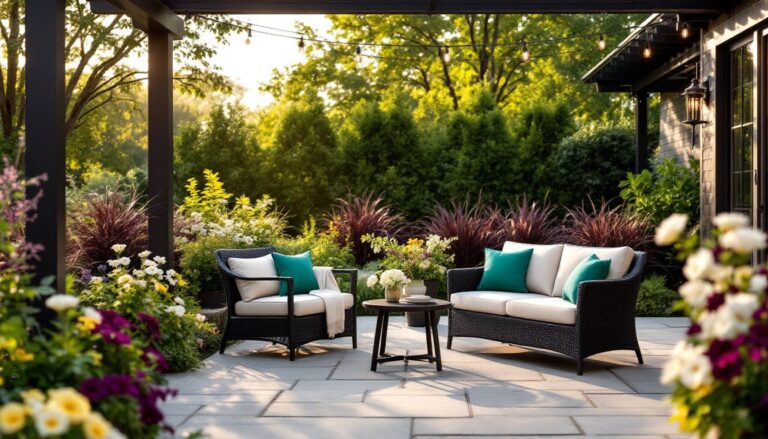
Wicker patio furniture has made a serious comeback in recent years, and for good reason. It combines aesthetic appeal with practical durability when you choose the right materials and construction. Whether you’re furnishing a compact balcony or outfitting a sprawling deck, wicker pieces offer a versatile, weather-resistant option that fits everything from contemporary to traditional outdoor spaces. This guide walks you through what makes wicker a smart investment, how to pick pieces that match your style, and what it actually takes to keep them looking sharp year-round.
Table of Contents
ToggleKey Takeaways
- High-quality synthetic wicker patio furniture offers the best balance of durability and aesthetics, resisting moisture and UV fading while avoiding the rot risk of natural rattan.
- Wicker patio furniture is lightweight yet sturdy, versatile across design styles, and costs less than teak or wrought iron while lasting 5 to 10 years with proper care.
- Prioritize frame material and construction—aluminum or stainless steel frames resist corrosion better than steel or wood, and tight weaves with clean welds indicate quality wicker pieces.
- Regular maintenance including monthly cleaning with mild soap, seasonal frame inspections, and proper cushion storage significantly extends the lifespan of wicker patio furniture.
- Store wicker furniture during winter in freezing climates and use shade structures year-round to prevent moisture damage, cracks, and UV degradation of the weave.
What Makes Wicker Patio Furniture a Smart Choice for Outdoor Spaces
Wicker brings a relaxed, inviting feel to outdoor rooms without the industrial stiffness of metal or the maintenance demands of wood. The open-weave structure allows airflow, so cushions dry faster and moisture doesn’t trap underneath, a real advantage in humid climates. Wicker also offers excellent weight-to-strength ratio: pieces are lightweight enough for a single person to move, yet sturdy enough to support adult-sized frames when properly constructed with reinforced frames.
The aesthetic flexibility is another draw. Wicker works equally well in Coastal Modern schemes, Farmhouse settings, or Transitional designs. You can easily refresh the look by swapping cushions or throws without replacing the furniture itself. From a cost perspective, wicker sits in the sweet spot between budget patio sets and high-end teak or wrought iron, you get durability and style without very costly. When quality construction meets smart material choice, wicker pieces easily last 5 to 10 years outdoors with minimal fuss.
Types of Wicker Materials and Construction Methods
Not all wicker is created equal. The material and how it’s woven directly affect longevity, maintenance demands, and cost.
Natural vs. Synthetic Wicker: Which Is Right for You
Natural wicker is traditionally made from rattan, a climbing plant harvested from tropical regions. It’s lightweight, warm to the touch, and has an undeniable authentic charm. The downside: natural rattan absorbs moisture and will eventually rot or become brittle if left exposed to the elements without shelter. It requires seasonal storage in colder climates or a covered patio in year-round wet conditions. UV exposure also breaks down the fibers over time.
Synthetic wicker, usually polyethylene (PE) or polypropylene (PP) resin, was engineered to solve these problems. It resists moisture, won’t rot, and tolerates full sun without fading as quickly as natural rattan. Most synthetic wicker is wrapped around an aluminum or steel frame, making it rust-resistant when sealed properly. The trade-off: synthetic materials can feel plasticky to some, and cheaper grades may become brittle in freezing temperatures or fade noticeably within a few seasons.
For most homeowners, high-quality synthetic wicker strikes the best balance. Premium brands use UV-stabilized resin and reinforce frames with stainless steel hardware, delivering durability comparable to natural wicker’s feel but without the rot risk. If you have a covered patio or can reliably store furniture during winter, natural wicker remains a beautiful option. Many design-forward outdoor spaces featured in woven outdoor sofas combine natural and synthetic materials to maximize both aesthetics and longevity. The frame underneath matters too, aluminum frames resist corrosion better than steel and won’t warp like wood.
Selecting Wicker Furniture That Fits Your Patio Style
Choosing wicker pieces is part function, part personal preference. Start by assessing your outdoor space: square footage, sun exposure, and how you actually use the area. A shaded dining nook calls for a sturdy table and chairs: a sun-soaked lounging area benefits from sectionals or day beds with good-quality cushion fabric (Sunbrella or equivalent performance textiles are worth the premium).
Design Aesthetics and Color Options
Wicker comes in a range of finish colors beyond the traditional honey tan. Charcoal gray and black weaves pair well with modern palettes and hide dirt better than light finishes. Whitewashed and natural tones evoke Coastal or Farmhouse vibes. Warm honey or caramel finishes feel timeless and pair easily with most environments.
Remember that outdoor spaces benefit from regional design language. Sunset Magazine and similar resources offer regional perspectives on outdoor entertaining that can guide your material and color choices to match your climate and lifestyle. The key is picking finishes that align with both your existing deck or patio materials and your home’s exterior color palette.
When evaluating pieces in person or online, check the weave density. Tightly woven pieces look more refined and last longer: loose, open weaves can trap leaves and moisture. Examine frame construction, welds should be clean, and corner joints should sit flush without gaps. If the seller doesn’t disclose frame material, ask. Aluminum and powder-coated steel are industry standards for a reason. Buy pieces with removable, washable cushion covers: this flexibility extends upholstery life considerably.
Essential Maintenance and Care Tips
Proper maintenance is the difference between furniture that looks great for a decade and pieces that degrade in three years. Start with regular cleaning, a soft brush and mild soap water (about a tablespoon of dish soap per gallon) removes dust and pollen buildup every month or two. For stubborn stains or salt spray residue (if you’re near coastal areas), a 1:1 mixture of white vinegar and water works without damaging the weave.
Inspect your frames seasonally, especially where weave meets frame. If you spot any cracks, loose weaving, or rust spots on metal hardware, address them immediately. A small crack ignored becomes a split: loose weaving becomes unraveled sections. For synthetic wicker, tighten any loose bolts at joints with an adjustable wrench, thermal expansion and contraction cause gradual loosening.
Cushion care is equally important. Bring cushions indoors during heavy rains or winter storage, or store them in sealed containers with silica packets to manage moisture. Most quality outdoor cushion covers zip off: wash them in cool water and hang-dry. Machine washing can degrade the fabric.
For year-round outdoor furniture, a shade structure, even a market umbrella, extends the lifespan significantly. If you live in a region with freezing temperatures, store wicker furniture in an unheated shed or garage during winter. Moisture trapped in weave can freeze and cause cracks. In mild climates, a breathable furniture cover (not plastic: it traps moisture) offers adequate protection.
Safety tip: When moving pieces, inspect legs and joints for cracks or soft spots before putting weight on them. A weakened leg can give way suddenly, causing injury. If a piece feels unstable, stop using it until repaired. Resources like Country Living often feature seasonal maintenance guides for outdoor spaces worth reviewing.
Conclusion
Wicker patio furniture delivers on both style and function when you make informed choices about materials and commit to basic upkeep. Prioritize frame quality and material type over trendy colors: the bones of a piece matter far more than its finish. Start with what you actually need, don’t over-furnish, then add pieces as your outdoor living strategy evolves. With proper care, quality wicker pieces become reliable, good-looking anchors for your outdoor space for years to come.