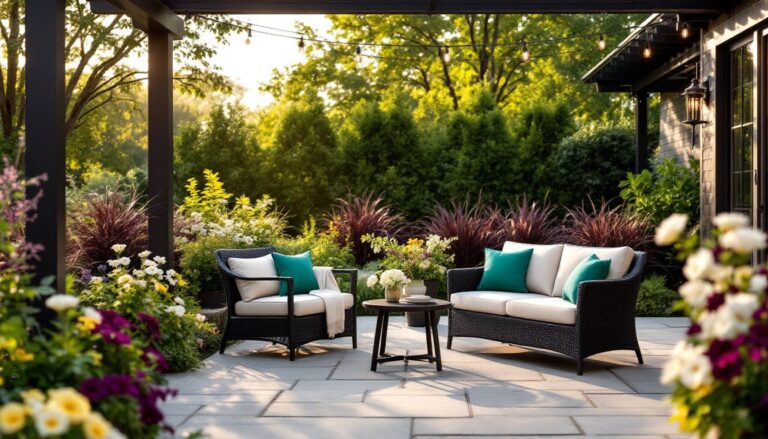
Wicker resin patio furniture has become the go-to choice for homeowners who want outdoor seating that looks good without falling apart after a few seasons. Unlike natural wicker, which rots and splinters under sun and rain, resin wicker (also called synthetic wicker) combines the classic woven aesthetic with materials that laugh in the face of moisture, UV rays, and temperature swings. Whether you’re setting up a small balcony retreat or furnishing a sprawling deck, understanding what resin wicker is, and how to choose, care for, and style it, puts you in control of a patio that actually lasts.
Table of Contents
ToggleKey Takeaways
- Wicker resin patio furniture combines the classic woven look of natural rattan with synthetic polyethylene or polypropylene strands that resist rot, moisture, UV damage, and temperature changes year-round.
- Resin wicker requires minimal maintenance—just occasional hosing, mild soap cleaning, and basic bolt checks—making it ideal for busy homeowners compared to natural wood or rattan that demands seasonal treatment and storage.
- Choose aluminum or powder-coated steel frames for maximum durability, and invest in solution-dyed acrylic cushions that resist mildew and fading better than alternatives.
- For stubborn stains or mildew on wicker resin furniture, use equal parts white vinegar and water; allow UV sunlight to dry the pieces naturally, which also helps prevent mold growth.
- Style your resin wicker patio furniture with seasonal cushion swaps, outdoor rugs, container plants, and layered accessories in jewel tones or lighter hues to complement any aesthetic from modern to rustic.
- Store cushions indoors during winter and off-season months, and use breathable furniture covers instead of plastic tarps to extend the lifespan of both frame and weave.
What Is Wicker Resin Patio Furniture?
Wicker resin furniture starts with a frame, usually aluminum, steel, or composite material, and wraps it in synthetic woven strands. Those strands are typically made from polyethylene (PE) or polypropylene (PP), plastics that mimic the appearance and feel of natural rattan while remaining impervious to rot, insects, and fungal growth.
The key difference from natural wicker: resin strands don’t absorb water. Natural rattan absorbs moisture like a sponge, swells, and eventually cracks. Synthetic alternatives shed water entirely, making them ideal for covered patios, decks, and yes, even areas that see direct rain. The cushions and upholstery (typically solution-dyed acrylic or polyester) are also treated to resist fading and mildew.
You’ll find resin wicker in dining sets, lounge chairs, sofas, coffee tables, and even hanging egg chairs. The frames determine weight capacity and longevity. Aluminum frames are lightweight and rust-proof: steel frames (usually powder-coated) are heavier but handle more weight: composite frames blend both strengths but can be pricier.
Why Choose Wicker Resin Over Traditional Materials
Durability and Weather Resistance
Resin wicker doesn’t splinter, fade rapidly, or rot. A quality set will handle full sun, salt spray (if you’re coastal), freezing temperatures, and humidity year-round. Natural rattan demands shade and dry storage in winter: resin wicker just sits there. That difference alone saves countless hours of seasonal setup and takedown.
Frame material matters here. Aluminum frames won’t rust, making them perfect for damp climates. Steel frames need powder-coating to resist corrosion, but when done right, they’re nearly as durable. Cheap furniture skips this step, and the frame oxidizes within a year. Check product specs: a multi-layer powder coat is worth the extra cost.
Cushions and fabrics also matter. Solution-dyed acrylic resists mildew and fading far better than solution-dyed polyester. If cushions are removable, you can store them indoors during off-season, extending their life. Many homeowners find that outdoor living spaces at Gardenista offer excellent inspiration for long-lasting furniture placements that protect your investment.
Low Maintenance Requirements
Resin wicker requires no stain, no varnish, no seasonal treatments. A rinse with a hose and mild soap removes dust, pollen, and bird droppings. For mold or stubborn grime, a soft brush and a dilute bleach solution (1 part bleach to 10 parts water) work well. Rinse thoroughly and air-dry.
Unlike wood furniture, you don’t refinish resin wicker. You don’t tighten frame bolts every season, though checking them annually is smart. Cushions benefit from storage when the patio’s not in use for months, but the furniture itself requires nothing more than the occasional wash. This low-friction maintenance is why so many busy homeowners stick with it: you set it up and focus on enjoying your outdoor space, not babysitting it.
How to Care for Your Wicker Resin Furniture
Routine cleaning keeps your resin wicker looking fresh and prevents buildup that can trap moisture. Monthly washing during the active season (spring through fall) is ideal. Grab a soft-bristle brush, warm soapy water, and work the brush gently into the woven sections to dislodge dust from the crevices.
For stubborn stains or mildew spots, a mix of equal parts white vinegar and water works well and avoids bleach odor. Spray it on, let it sit for 15 minutes, scrub lightly, and rinse thoroughly. Dry with a soft cloth or let it air-dry in the sun, UV light is actually your friend here for drying and preventing mold growth.
Inspect bolts and fasteners at the start of the season. Over months of weather exposure, they can loosen slightly. A quick tightening with the correct wrench size prevents wobbling chairs and sliding table tops. Check the frame joints where the frame meets the woven sections: any visible cracks in the resin strands mean that section has failed and may need replacement parts, though quality manufacturers often sell components separately.
Store cushions indoors during winter or extended rainy periods. Leaving cushions outside year-round causes the fabric to degrade, no matter how good the material is. If your set doesn’t have a cover and you’re in a wet climate, consider a breathable patio furniture cover, not a plastic tarp, which traps moisture. A cover prevents UV fading and keeps off tree debris, extending the life of both frame and weave.
Styling Tips for Outdoor Spaces
Resin wicker’s neutral tone pairs with nearly any decor scheme. Browns, tans, and grays blend with modern, transitional, and even rustic aesthetics. The woven texture adds visual interest without fussiness, it’s sophisticated without being precious.
Color coordination happens through cushions and accessories. Deep jewel tones (emerald, navy, charcoal) create drama and anchor a space. Lighter hues (cream, soft gray, pale blue) brighten narrow or shaded patios. Patterned cushions work well with solid-colored resin wicker, and vice versa. Swap cushions seasonally to refresh the look without replacing furniture.
Layering your outdoor space works on the same principles as indoor rooms. Start with your seating (perhaps a resin wicker sofa and dining table), add a side table or two for drinks and decor, then bring in textiles (throws, pillows) and plants. A designer directory at Houzz can help you visualize complete outdoor rooms and find professionals if you want a polished result. Outdoor rugs define seating areas and add warmth underfoot, choose fade-resistant materials rated for outdoor use.
Planting around your patio strengthens the design. Container gardens near seating, climbing vines on trellises nearby, or low shrubs along the perimeter tie the furniture to the landscape. Resin wicker is forgiving: it doesn’t require a pristine, showroom-perfect setting. It looks at home in casual cottage gardens or sleek modern courtyards. Scale your cushions and accessories to match your home’s exterior, oversized cushions suit sprawling decks: compact seating works for small balconies.
Lighting matters too. String lights, solar lanterns, or a wall sconce warm up the patio in evening hours and extend the season for outdoor entertaining. The neutral base of resin wicker lets these elements shine without competing visually.
Conclusion
Wicker resin patio furniture delivers the comfort and look of natural wicker with the durability of modern materials. Maintenance boils down to occasional washing, bolt checks, and smart cushion storage. Quality frames and fabrics matter, don’t bottom-out on price if longevity is your goal. With thoughtful styling and basic care, a resin wicker set becomes the centerpiece of a backyard or balcony you’ll actually use year after year.