Luxury living room furniture doesn’t have to mean six-figure price tags or a designer on retainer. In 2026, homeowners are redefining what “luxury” actually looks like: quality craftsmanship, timeless design, and pieces that’ll still look great five years from now. Whether you’re furnishing a space from scratch or upgrading key pieces, understanding what separates luxury furniture from mid-tier options helps you make smart choices. This guide walks you through the essentials of luxury furniture, what materials and styles matter most, and how to build a high-end living room on a realistic budget.
Table of Contents
ToggleKey Takeaways
- Luxury living room furniture is defined by craftsmanship, solid materials, and timeless design rather than price tags alone.
- Invest 40–50% of your furniture budget in a quality sofa as the anchor piece, then add an accent chair and solid coffee table to build a curated luxury space.
- Look for construction details like eight-way hand-tied springs, kiln-dried hardwood frames, high-density foam, and natural fiber upholstery to ensure furniture lasts decades.
- Choose timeless silhouettes in neutral colors and natural materials—such as walnut tables and top-grain leather—that develop character over time instead of trendy styles.
- Mix new and vintage pieces strategically, buying less but better quality, and wait for seasonal sales to stretch your budget without compromising luxury furniture standards.
- Prioritize details you can inspect: sit on sofas to test comfort, open cushion covers to check filling, and examine wood joints, seams, and hardware for evidence of quality construction.
What Defines Luxury Living Room Furniture
Luxury furniture isn’t just about a high price tag, it’s about intent and construction. Real luxury furniture combines solid materials, thoughtful design, and durability. A piece that’ll last 20 years while looking fresh belongs in a different category than trend-driven fast furniture designed to be replaced in two.
The hallmark of luxury furniture is attention to detail. Seams are stitched with heavy-gauge thread, wood joints are mortise-and-tenon rather than nailed, and fabric selections come from quality mills. A luxury sofa uses eight-way hand-tied springs beneath the cushions instead of webbing: a luxury coffee table has book-matched veneer and a finish that responds to light rather than looking flat.
Craftsmanship matters because it affects how furniture performs over time. Luxury pieces hold their shape, don’t sag, and develop a beautiful patina. They’re often customizable, you choose the fabric, the leg style, the depth of the seat. That flexibility is key to luxury living room furniture: you’re not buying what the factory decided, you’re investing in something built to your space and preferences.
Key Pieces That Define a Luxury Living Room
A luxury living room isn’t crowded, it’s curated. Start with a few statement pieces and build around them. The right foundation means the room feels intentional, not decorated. You’ll need seating, a coffee table, side tables, and ideally a console or credenza. Each piece should earn its place.
The sofa is the anchor. In a luxury space, that sofa has good bones: a solid hardwood frame (kiln-dried to prevent warping), eight-way springs or high-quality sinuous springs, high-density foam, and a quality fabric or leather. Leather ages beautifully and improves with time: fabric gives you color and texture flexibility. Either way, you’re looking at a piece meant to last a decade or more with occasional professional cleaning.
Statement Seating and Sofas
A true luxury sofa starts around $2,500 and climbs from there, depending on size and materials. But don’t panic, quality mid-luxury sofas run $1,500–$2,500 and deliver genuine durability. Look for brands that offer fabric samples, customizable dimensions, and frame warranties of at least five years. Paired with a quality accent chair and ottoman, your seating becomes inviting without feeling forced. Consider how a blue living room uses tone and materials to anchor the space: the same principle applies to luxury design.
When you’re shopping, sit on the sofa. The seat depth should accommodate your leg length when you lean back: 36–40 inches is standard for comfort. Stand up and check the frame, it should feel solid, not hollow or flexible. Open a cushion cover (quality sofas allow this) and inspect the filling. Real luxury means materials you can see and feel, not mystery foam.
Coffee Tables and Side Tables
A luxury coffee table is functional sculpture. Think solid hardwood, marble, or metal, not particleboard with a veneer. A walnut or white oak table with a natural finish or wax develops character as it lives in your home. Marble offers elegance but demands coasters: metal bases ground the look without competing visually.
Size matters here. A coffee table should sit about 18 inches from the sofa, leaving room to walk around it. Width-wise, aim for roughly two-thirds the sofa length. Too small and it feels like an afterthought: too large and it dominates.
Side tables anchor conversation and provide purpose. A single solid-wood table with a drawer or shelf works harder than a glass accent table. Pair tables of different heights for visual interest, or match them for a more formal look. Mixing dark and light wood furniture adds sophistication without clutter.
Materials and Craftsmanship to Look For
Materials separate luxury from everything else. Solid wood, not veneer, not MDF, means the piece can be refinished and will last generations. Kiln-dried hardwoods like walnut, cherry, and white oak resist warping and movement. Softwoods like pine are beautiful but softer and dent more easily: they’re fine for casual spaces but less ideal for high-traffic luxury furniture.
Upholstery matters just as much. Leather (top-grain, not bonded) improves with age and is easier to maintain. Natural fabrics like linen and wool breathe and age well, though they show wear faster than synthetics. Avoid low-count polyester blends if you want furniture that lasts: aim for 100% natural fibers or high-quality blends (at least 30% natural content).
Learn to spot quality construction. Eight-way hand-tied springs provide superior support and durability compared to sinuous springs or webbing. Cushion fill should be high-density foam (2.5 lbs per cubic foot minimum) wrapped in natural fiber batting, not cheap low-density foam that flattens in months. Seams should be straight and tight: if threads are loose or seams pucker, move on.
Legs and hardware signal quality too. Solid wood legs, turned or tapered, beat metal or upholstered legs. Metal hardware (brass, steel, nickel) should feel substantial, not flimsy. Look inside drawers, solid wood bottoms and dovetail joinery mean someone cared about what you don’t see.
Design Styles for a Luxury Living Room
Luxury design works across styles because quality transcends trends. Mid-century modern luxury emphasizes clean lines, natural wood, and functional beauty, think tapered legs, tufting, and rich upholstery. Contemporary luxury strips away ornament, favoring minimalism and elevated materials. Traditional luxury leans into tufting, rolled arms, and classic fabrics like velvet or damask.
The key is consistency. Pick a style anchor, the sofa shape and fabric, and build around it. If your sofa is mid-century, add a live-edge wood console or a credenza with tapered legs. If it’s contemporary, pair it with a marble coffee table and metal accents. Traditional calls for a richly finished wood table and layered textiles.
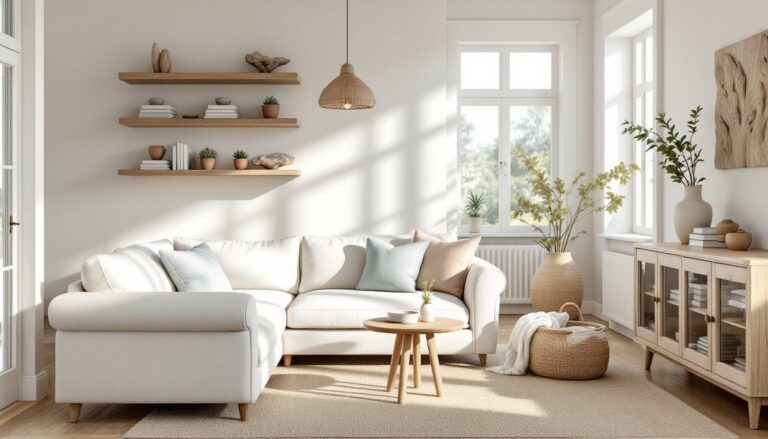
Color and texture bring luxury to life. Neutral base (cream, gray, taupe, white) works across styles and lets accent pieces shine. A white furniture living room demonstrates how restraint and quality materials create sophistication. Layer in texture through pillows, throws, and a quality rug, these are inexpensive ways to add depth without furniture spending. Architectural Digest and Elle Decor showcase luxury living room designs that prove cohesive style beats showroom chaos.
Budget-Friendly Tips for Achieving Luxury
Here’s the truth: you don’t need to buy everything at once. Invest in the sofa first, it’s where everyone sits and the focal point of the room. Spend 40–50% of your furniture budget there. Add one quality accent chair and a solid coffee table next. Those three pieces anchor a luxury space.
Buy less, choose better. One beautiful vintage credenza beats three mediocre side tables. Spend on what you touch and use daily: save on decorative pieces. A quality leather sofa with a modest accent chair and a solid wood table creates more luxury than a trendy couch with cheap accessories.
Mix new and vintage. High-end vintage furniture often beats new mid-tier pieces on quality. Estate sales, consignment shops, and home bunch inspiration can surface gems. A restored mid-century dining chair or a vintage leather wingback adds authenticity and character that new furniture struggles to match.
Wait for sales strategically. Luxury furniture rarely goes on deep sale, but Memorial Day, Labor Day, and January sales bring 15–25% discounts. If you’re patient, you can stretch your budget without compromising quality. Custom upholstery houses often offer seasonal promotions on fabric selections.
Focus on timeless silhouettes. Trendy arm shapes, unusual leg colors, or novelty details date fast. A rolled-arm sofa in natural linen or a simple tufted settee in charcoal leather looks current in 2026 and will in 2030. That’s where real value lives.