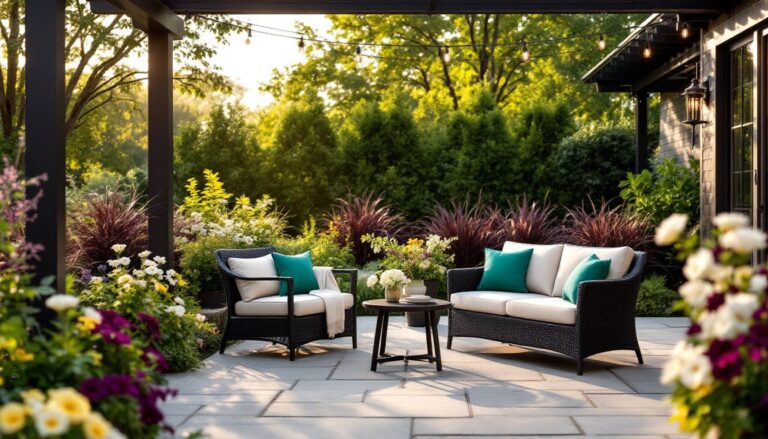
A 5-piece patio furniture set sits at the sweet spot for most outdoor spaces. You get enough seating for a small gathering without the bulk of larger collections, and the price point lands somewhere between “impulse buy” and “major investment.” Whether you’re outfitting a deck, patio, or courtyard, this setup, typically a table plus four chairs, works hard. The right set transforms bare concrete or wood into a place where people actually want to sit, eat, and linger. This guide walks you through the material options, sizing considerations, durability factors, and maintenance realities so you pick a set that fits your space, climate, and budget.
Table of Contents
ToggleKey Takeaways
- A 5-piece patio furniture set strikes the ideal balance between functionality and space efficiency, comfortably seating a small family without overwhelming modest yards or decks.
- Aluminum and synthetic wicker are the most durable, low-maintenance options for most climates, while solid wood like teak offers elegance but demands regular sealing and care.
- Mid-range patio furniture sets ($600–$1,500) provide the best value for homeowners, delivering solid construction and finishes built to last 5–10 years with minimal upkeep.
- Measure your patio carefully (ideally 10×10 feet minimum) and use painter’s tape to outline furniture layout before purchasing to avoid sizing disappointments.
- Preventive maintenance—covering furniture with breathable tarps, regular rinsing, and annual inspections—extends your set’s lifespan significantly more than reactive repairs.
- Look for welded joints, stainless steel hardware, and reinforced corner braces when evaluating durability, as these construction details determine how long your patio furniture will withstand weather and use.
What Makes a 5-Piece Patio Set the Ideal Choice for Most Homeowners
The 5-piece configuration is the Goldilocks of outdoor furniture. It’s not too cramped, not oversized. A table (typically 28 to 36 inches in diameter for round tops, or 36 by 48 inches for rectangles) paired with four chairs gives you functional seating without dominating a modest yard or small deck.
Practically, this size accommodates a family dinner or casual gathering without looking sparse or cluttered. It’s also easier to move or rearrange than a 7- or 9-piece sectional, and it requires less storage space if you live where winter shutdowns winter storage. Many homeowners appreciate that the footprint stays manageable, you’re not sacrificing your entire patio to furniture.
From a cost perspective, you’re avoiding the premium pricing of designer sectionals or statement pieces while still getting a complete, ready-to-use dining area. You set it up, sit down, and enjoy your outdoor space without constantly eyeing gaps or wishing for extra seating. For most suburban lots or urban balconies, 5 pieces hit the right balance.
Essential Material Considerations: From Wicker to Metal and Wood
Your material choice shapes durability, maintenance, and aesthetics in equal measure.
Aluminum and powder-coated steel are workhorses. Lightweight aluminum resists rust and requires minimal maintenance, a rinse with a hose and occasional soap wash keep it fresh. Steel is heavier (less likely to blow away in wind) and equally durable when powder-coated. Both handle temperature swings and moisture without structural compromise.
Wicker and rattan (synthetic or natural) offer a softer, more refined look. Synthetic wicker wins for outdoor use: it won’t rot, fray, or absorb water like natural fibers. Real wicker looks beautiful but demands covered storage and is better suited to sheltered patios or dry climates. This is honestly where many DIYers overshoot their maintenance budget.
Solid wood, teak, cedar, or hardwoods, brings warmth and elegance. Teak is naturally oil-rich and weathers to a silvery patina without rotting: it’s expensive upfront but lasts decades. Lesser woods need regular sealing (every 12–18 months) to prevent rot, cupping, and splinters. Cedar is budget-friendly and rot-resistant but still requires occasional maintenance.
Plastic or polyethylene sets are durable and lightweight but can look cheap and fade under UV exposure. They’re easy to clean and ideal for high-traffic or rental properties where durability matters more than aesthetics.
Consider your climate. In wet, salty, or freeze-thaw regions, aluminum or synthetic wicker outperform wood. In dry, protected settings, wood can shine. When comparing, also factor in assembly difficulty, wicker and wood sets typically need more hands-on setup than metal frames.
How to Select the Right Size and Style for Your Space
Before clicking “buy,” measure your patio or deck carefully. You need at least 10 feet by 10 feet for a comfortable 5-piece set with walking room. If you’re tighter on space, look for compact or slatted designs that feel less visually heavy.
Consider traffic flow. Can someone walk from the door to the furniture without doing a three-point turn? If your patio is L-shaped or oddly configured, sketch the layout or use painter’s tape to outline furniture dimensions. This takes ten minutes and prevents the dreaded “it looked fine in the photo” disappointment.
Style choices range from casual to contemporary. Modern sets favor clean lines, minimal ornamentation, and neutral or bold colors. Traditional designs feature scrollwork, cushioned backs, and softer curves. Transitional splits the difference. Match your home’s exterior or go intentionally different, just be intentional about it, not accidental.
With cushions, account for storage. A 5-piece set with cushions is more comfortable but requires a deck box or weatherproof storage if you live somewhere with serious rain or snow. Many homeowners compromise: use cushions in summer, store them inside for winter. Also check seat height and depth. Standard dining chairs are 17 to 19 inches high: if you’re pairing with a counter-height table, measure before committing.
Durability and Weather Resistance: What to Look For
Durability isn’t just about material, it’s about construction quality. Look for welded or bolted joints rather than glued seams: glue fails when furniture heats and cools repeatedly. Check frame thickness. Aluminum tubing should be at least 1 inch to 1.5 inches in diameter: thinner stuff bends or warps under weight or age.
Weather resistance depends on finish. Powder-coating on metal provides a durable, UV-resistant barrier. On wood, a marine-grade sealant (polyurethane or epoxy) protects better than standard exterior paint. Some retailers claim “UV-resistant” fabrics and cushions, reasonable for patio furniture, though all fabrics eventually fade.
For coastal or high-humidity areas, prioritize rust prevention. Aluminum doesn’t rust, but fasteners (bolts, screws) can. Stainless steel hardware costs more but won’t corrode. If buying a wood set in a damp climate, ensure it’s pressure-treated or naturally rot-resistant (teak, cedar, mahogany) rather than pine, which rots quickly outdoors.
Corner connections endure the most stress. A robust corner brace or reinforced joint extends a set’s life by years. Also inspect how the seat connects to the frame, this is where cheap sets fail first. If a product description skips construction details, it’s often a red flag. When reviewing sets, look for manufacturer warranties (2–5 years is standard: longer usually indicates confidence in durability).
Budget-Friendly vs. Premium Options: Finding the Best Value
Budget sets (under $400–500) often use lightweight aluminum frames and basic seating. They work fine for seasonal use or rental properties where durability is secondary. Expect wobbly chairs, thin cushions, and finishes that degrade after a season or two in harsh weather. These sets are ideal if you’re renting, trying out outdoor living, or simply don’t need long-term reliability.
Mid-range sets ($600–$1,500) represent the smart buy for most homeowners. You get solid construction, better materials (thicker aluminum, synthetic wicker over rattan, or quality wood), and finishes designed to last 5–10 years with basic care. Cushions feel thicker, joints are reinforced, and hardware is typically stainless steel. This is where value-for-money shines.
Premium sets ($1,500 and up) use high-end teak, powder-coated steel with intricate design, or all-weather wicker with commercial-grade cushions. These sets often include warranties stretching 10+ years and are designed to outlive trends. They’re an investment, not an expense.
Don’t confuse price with value. A mid-range metal or synthetic wicker set often outlasts a cheap wood set by years. Research customer reviews, especially about assembly quality and weather performance. Also watch for seasonal sales: many retailers discount patio furniture in late summer or early fall. Buying off-season often saves 20–40%, and the set sits safely covered until spring.
Maintenance and Care Tips to Extend Your Set’s Lifespan
Preventive care beats repair every time. Start by protecting against the elements. Cover the set with a breathable patio cover when not in use for extended periods, not a tight tarp, which traps moisture and encourages mold. If you lack storage, a waterproof cover designed for outdoor furniture (with vents to prevent condensation buildup) works.
Clean your set regularly. Once or twice a season, hose down metal and synthetic wicker frames with plain water. For stubborn dirt, use a soft-bristle brush and mild soap (dish soap works), then rinse thoroughly. Never use a pressure washer on wicker or wood, the force damages fibers and finishes.
For wood sets, inspect annually. Look for soft spots, cracks, or splintering. Sand rough areas lightly (120-grit sandpaper does the job) and re-seal if the finish is worn. Teak requires less maintenance than cedar or softer woods, but even teak benefits from an annual light wash.
Cushions and fabric need attention too. Remove cushions during heavy rain or winter. If you store them indoors, use breathable storage (cardboard boxes trap moisture: consider a sealed storage container with moisture packets instead). Wash covers seasonally with mild soap and air-dry completely before storing.
For metal frames, inspect fasteners twice yearly. If bolts loosen (common as wood and metal shift), tighten them, loose joints accelerate wear and create safety hazards. Keep a basic socket set or adjustable wrench nearby for quick fixes.
One honest note: synthetic wicker occasionally needs UV treatment (special sprays sold online or at home centers) to slow fading, and wood always demands more attention than metal. Budget your maintenance time and energy into your initial choice. When shopping, ask retailers about specific care requirements: the best sets come with clear, realistic guidance.
Conclusion
Choosing a 5-piece patio furniture set comes down to matching materials, size, and care habits to your space and lifestyle. Aluminum and synthetic wicker suit most climates and budgets. Mid-range options deliver solid value without requiring a second mortgage. Measure your patio, understand your local weather, and be honest about how much maintenance you’ll actually do. The right set becomes a hub for your outdoor life, and with proper care, it’ll last for years.