Your patio should be as functional and inviting as the rooms inside your home. Better Homes and Gardens patio furniture strikes that balance, offering accessible style without compromising on build quality. Whether you’re setting up a modest deck or furnishing a sprawling yard, the Better Homes and Gardens collection delivers solid construction, weather-resistant materials, and designs that won’t age out in a season. This guide walks you through what makes this furniture line worth considering, which styles suit different outdoor spaces, how to evaluate durability, and the practical steps to keep your pieces looking sharp for years.
Table of Contents
ToggleKey Takeaways
- Better Homes and Gardens patio furniture delivers balanced value by combining accessible pricing with durable construction and weather-resistant materials that last multiple seasons.
- Choose modern designs with clean lines for smaller patios, or opt for traditional styles with wrought iron and cushioned seating if you prefer timeless elegance and comfort.
- Inspect frame materials carefully: aluminum resists corrosion in coastal areas, while steel frames require powder-coat finishes to prevent rust—both are found in Better Homes and Gardens collections.
- Seasonal maintenance like spring cleaning, bolt tightening, and winter storage of cushions indoors can extend patio furniture life from five to ten years.
- Purchase off-season (late August through September) to save 20–40% on Better Homes and Gardens patio furniture, and factor replacement cushion costs ($50–$150 per seat) into your budget.
Why Better Homes and Gardens Is a Top Choice for Patio Furniture
Better Homes and Gardens patio furniture sits at the sweet spot: honest pricing, proven construction, and finishes that handle sun, rain, and seasonal swings without falling apart. The brand’s reputation stems from real-world testing and a commitment to using materials engineered for outdoor abuse. Unlike impulse-buy furniture that splinters or fades in two seasons, Better Homes and Gardens pieces are built to handle the climate where they’re used.
Retailers stock these collections widely, which means replacement parts are easier to source if something breaks. Frame construction typically uses steel or aluminum tubes, both lightweight but rigid enough to support sustained weight without wobble. Seat slats and backs are usually made from resin wicker, weather-treated wood, or composite materials that resist rot and UV damage. You’re not paying for designer markup: you’re paying for smart engineering and durable finishes that genuinely withstand outdoor conditions.
Another appeal: the brand understands that most homeowners don’t want to fuss endlessly with maintenance. Cushions use quick-dry foam, and frame materials don’t demand constant refinishing. That practicality attracts DIYers and busy homeowners alike.
Popular Patio Furniture Collections and Styles
Better Home and Gardens patio furniture comes in enough variety that you can find something genuine to your aesthetic rather than settling for “good enough.” The line isn’t one-size-fits-all: collections reflect different living styles and spatial constraints.
Modern and Contemporary Designs
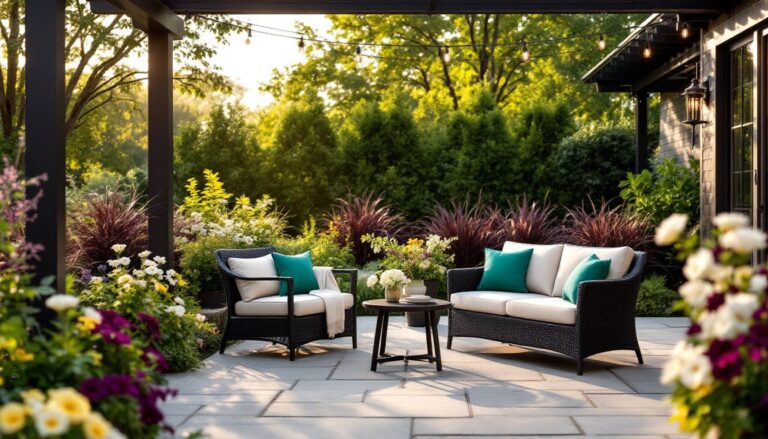
Modern Better Homes and Gardens patio furniture emphasizes clean lines, minimal ornamentation, and open sightlines. Think sleek metal frames in black or bronze paired with simple cushions in neutral tones. These pieces work well on smaller patios or decks where visual clutter matters. A contemporary dining set might use a powder-coated steel frame with a glass or composite tabletop, functional, age-resistant, and easy to clean.
Rattan or resin wicker also appears in modern collections, but in tight weaves and monochromatic finishes rather than loose, bohemian looks. Seating often features slim armrests and shallow seat depths, which suits modern architecture and creates visual lightness. These designs integrate well with concrete patios or minimalist landscaping.
Classic and Traditional Options
Traditional Better Homes and Gardens patio furniture leans into comfort and timeless form. Wrought iron frames, scrolled details, and cushioned seating create a settled, established look that complements older homes or formal gardens. Wood-slat designs, usually in cedar or treated pine, age gracefully and pair naturally with masonry or brick patios.
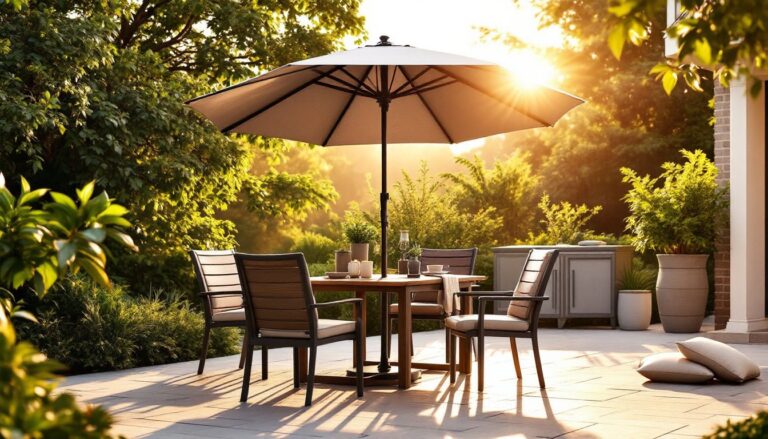
Classic cushion choices tend toward solids or subtle patterns in jewel tones or earth colors. A traditional set might feature a round dining table with umbrella hole, paired with high-back chairs and thick cushioning. These pieces often weigh more and require sturdier staging, but they feel substantial and durable in a way that appeals to homeowners planning long-term outdoor living.
Materials and Durability: What to Look For
Not all outdoor materials perform equally, and Better Homes and Gardens furniture uses different compositions depending on the collection and price point. Understanding these differences helps you pick pieces that’ll stand up to your climate.
Aluminum frames are lightweight and corrosion-resistant, ideal for humid or salt-spray environments (coastal areas especially). Steel frames cost less but require powder-coat finishes to prevent rust: inspect welds and seams on arrival to ensure coating isn’t compromised. Resin wicker or synthetic rattan won’t rot, splinter, or attract insects like natural wicker, and it resists fading better than past synthetic materials.
Wood components, whether slats or armrests, should be either naturally rot-resistant (cedar, teak) or treated with marine-grade sealers. Laminated bamboo and composite woods blend durability with workability, though they’re less common in this brand’s core offerings. Cushion fill matters too: quick-dry foam drains water rather than absorbing it, extending cushion life. Look for outdoor-grade fabric covers, solution-dyed acrylic or polyester hold color and resist mildew far better than untreated cotton or canvas.
Better Homes and Gardens typically uses finishes rated for 3–5 years of direct UV exposure without significant fading. Temperature swings won’t crack powder coats if the piece is properly primed, but inferior finishes can chip at welds or stress points. Before buying, ask about warranty terms: many collections include 1–2 year coverage against material defects.
Maintenance and Care Tips for Long-Lasting Furniture
The difference between furniture that lasts five years and furniture that lasts ten often comes down to seasonal prep and routine cleaning. You don’t need to treat Better Homes and Gardens patio furniture like museum pieces, but a little deliberate care pays off.
Spring and fall are transition points. Before summer heat and UV load, wipe frames with a damp cloth and mild soap to remove winter debris. Check for loose bolts, outdoor temperature swings can cause small movements, and tighten with the correct wrench size (usually 7/16 or 1/2 inch on standard sets). Inspect cushions for water retention or mildew spots: if you find them, air-dry in sunlight, then store indoors or under cover during off-season.
Wood components benefit from annual treatment with outdoor sealant or oil, especially on pieces exposed to constant sun. Cedar and naturally resistant woods need less frequent resealing than treated pine, but don’t skip it entirely. Aluminum and steel frames need occasional inspection at welds and connection points for white corrosion (aluminum oxidation) or rust: a light wire brush and reapplication of clear protective spray keeps these at bay.
When storing Better Homes and Gardens patio furniture for winter, stack tables and chairs in a weatherproof location (shed, garage, or deck box) if possible. If outdoor storage is your only option, use breathable covers, not sealed tarps that trap moisture. Remove cushions and store indoors: they’re the fastest casualty of freeze-thaw cycles. A simple checklist each season prevents costly repairs and keeps your outdoor room functional year-round.
For deep cleaning, a soft brush and diluted white vinegar solution cuts mildew and mold without harsh chemicals that can degrade finishes. Avoid pressure washers on resin wicker or delicate finishes: they’ll spray paint and damage frames.
Budget-Friendly Buying Guide and Where to Shop
Better Homes and Gardens patio furniture sells through major retailers, Walmart carries the widest in-store and online selection, plus specialty furniture and garden centers. Pricing varies, but a two-piece conversation set starts around $300–$600, dining sets range from $500–$1,500, and individual pieces scale accordingly. Unlike boutique outdoor furniture, you’re not paying for scarcity or exclusivity: you’re buying proven, accessible quality.
Online shopping offers wider selection, but verify return policies before ordering: patio furniture is bulky, and restocking fees can apply. In-store shopping lets you test frame stability and cushion feel, though sizing can be misleading in a warehouse layout.
The Better Homes and Gardens patio furniture selections cover everything from small balcony sets to large sectionals, so you can match budget to space realistically. Don’t assume bigger always means better value: a well-built two-piece set often outlasts a cheaper five-piece collection made with thinner frames.
When comparing sets, factor in cushion costs separately, replacement cushions run $50–$150 per seat depending on size and fabric. This hidden cost matters if you’re furnishing a large patio. Also confirm whether tables include tempered glass tops (more durable but heavier and pricier) or composite surfaces (lighter, more affordable, slightly less refined looking).
Consider buying off-season: end-of-summer sales (late August through September) and post-holiday clearance offer 20–40% discounts. Outlet locations and floor-model furniture also reduce cost, though you sacrifice new-item selection. For families building furniture sets that transform outdoor spaces on a budget, mixing and matching individual pieces across multiple seasons often works better than overcommitting to one large purchase.