Small living rooms demand strategy. You’re working with limited square footage, so every furniture choice and placement decision counts, waste it, and you’ll feel cramped and frustrated. The good news? Smart arrangement can make a compact space feel open, functional, and intentionally designed rather than crammed. This guide walks you through the most practical, proven methods to maximize your small living room without sacrificing style or comfort. Whether you’re renting a studio or own a cozy home, these seven expert tips will help you create a room that works hard and looks great.
Table of Contents
ToggleKey Takeaways
- Measure your space and create a detailed floor plan before moving furniture—this simple 15-minute step prevents costly mistakes and reveals traffic bottlenecks.
- Arrange furniture for a small living room using right-sized, narrow-profile pieces that occupy no more than 50% of floor space to maintain an open, intentional feel.
- Float furniture away from walls toward the center of the room to create a defined conversation zone that makes small spaces feel larger and improves traffic flow.
- Define multiple activity zones within a small living room using angled furniture and low dividers—such as a reading nook or work area—without blocking sightlines.
- Maximize vertical storage with floating shelves and tall bookcases, and choose multi-functional furniture like ottomans with hidden storage to eliminate floor clutter.
- Layer your lighting with ceiling fixtures, floor lamps, and table lamps, and use large mirrors opposite windows to amplify natural light and create visual depth.
Measure Your Space And Plan Your Layout
Start with a tape measure, not Pinterest. Write down your room’s dimensions in feet (length, width, and ceiling height), then note where windows, doors, outlets, and any architectural features sit. This takes 15 minutes and saves hours of frustration later.
Next, sketch a to-scale floor plan on graph paper or use a free app like Apartment Therapy’s room planning tools to map the space digitally. Plot existing and potential furniture placement. This step is non-negotiable: you’ll catch tight corners, door swings, and traffic bottlenecks before moving anything.
Measure your furniture too, sofa depth and length, chair dimensions, table height. Know the actual measurements, not just “large” or “small.” A 36-inch-deep sectional feels different than a 28-inch depth in a room where every inch matters. Write these down alongside your floor plan so you can test placements without guessing.
Choose Right-Sized Furniture For Your Room
This is where most people stumble: they fill a small room with normal-sized furniture and wonder why it feels claustrophobic. Oversized pieces eat up floor space and block sightlines, making rooms feel smaller.
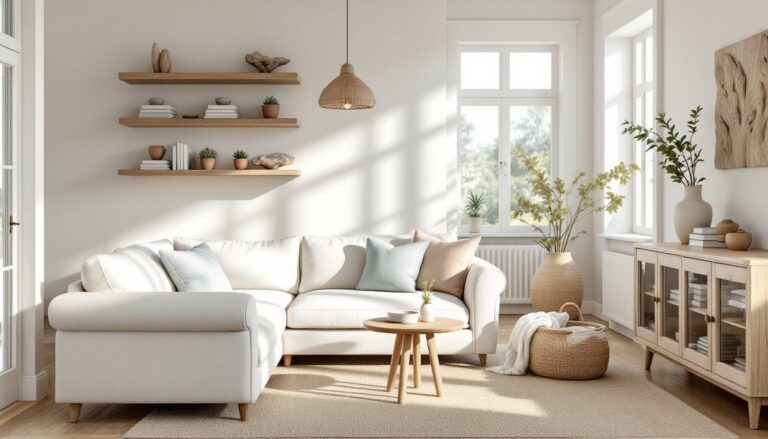
Look for narrow-profile seating, a sofa with slim arms and minimal depth, or a loveseat instead of a sectional. A pair of accent chairs often works better than one bulky armchair. Coffee tables should be small and transparent or have open legs, so you can see through or under them: a glass or metal base is ideal. Consider a round or oval table instead of a rectangular one, it takes up less visual weight and allows easier movement around edges.
Test the rule of proportions: furniture should not exceed about 50% of floor space. In a 200-square-foot living room, arrange pieces so at least half the floor stays visible. This keeps the room from feeling swallowed by upholstery. Skip the oversized media console and choose a wall-mounted TV or a slim, low stand instead.
Float Your Furniture Away From Walls
Counterintuitive, but floating furniture, pulling pieces into the room rather than pushing them against walls, actually makes small spaces feel larger. When everything hugs the perimeter, it emphasizes how small the room is. When you create a conversation zone in the center, you define the space and make it feel intentional.
Pull your seating toward the center of the room and angle it to face a focal point (TV, window, or fireplace). Leave 18 to 24 inches between the sofa back and the wall. This breathing room breaks up the wall-to-wall feeling. Place a low console table or slim shelving behind the sofa to fill that gap without blocking light or airflow.
This approach also improves traffic flow, people can move around the room naturally instead of squeezing past furniture wedged against walls. The furniture grouping becomes the room’s anchor, not the walls.
Create Zones For Different Activities
A small living room often pulls double duty: you watch TV, work, socialize, and relax there. Define zones with furniture arrangement and visual anchors so each activity has its own identity within the same space.
Your main zone might be seating + TV (or fireplace). The second zone could be a reading nook in a corner with a chair and side table, a desk for working, or a console for display and storage. Don’t use heavy dividers or walls: instead, angle furniture to suggest boundaries. A low bookshelf can separate a work zone from lounging without blocking sightlines. A rug under the seating area defines it visually and creates a sense of enclosure.
Think of it like chapters in a story, each zone tells a different part of how you use the room. This makes the space feel purposeful and prevents a “everything crammed here” chaos.
Use Vertical Storage And Multi-Functional Pieces
In small spaces, go up. Vertical storage removes clutter from the floor and draws the eye upward, making rooms feel taller and more spacious. Install floating shelves on one wall for books, plants, and décor. Use tall, narrow bookcases or wall-mounted cabinets instead of wide, squat ones.
Multi-functional furniture is your secret weapon: an ottoman with hidden storage doubles as seating and a stash spot for blankets: a console table with shelves acts as display, desk, and entryway organizer: a sofa bed handles lounging and guest sleeping. A nesting table set tucks into itself when not in use. These pieces earn their floor space by doing more than one job.
Declutter ruthlessly. Small rooms feel smaller when stuffed with decorative objects, books, and magazines. Keep only items you love or actually use. The rest goes. Real Simple for decluttering strategies if you’re struggling with what to keep. A clear floor and edited accessories make the biggest visual difference.
Optimize Traffic Flow And Lighting
Test your layout by walking through the room. You should move from the entrance to the seating area to any other zones without shuffling sideways through furniture. Ensure 30 to 36 inches of pathway width. Tighter than that, and the room feels cramped: wider is better if space allows.
Lighting transforms small rooms more than people expect. A single ceiling fixture creates shadows and monotony: layered lighting opens things up. Combine ceiling light, a floor lamp near seating, and small table lamps on console tables or side tables. Task lighting at a desk prevents dark corners. Mirrors opposite windows amplify natural light and create a sense of depth, hang one large mirror rather than several small ones: the unified reflection feels more open.
Keep cord and outlet clutter managed. Concealed power strips, cord covers, and furniture placement that hides electronics reduce visual noise. MyDomaine offers tips on thoughtful home styling that applies here, what you hide matters as much as what you display. A room feels spacious when it’s organized, not overloaded with visible stuff.
Conclusion
Arranging furniture in a small living room isn’t about cramming in more pieces, it’s about choosing the right ones, placing them with intention, and letting air and light move through the space. Measure, plan, downsize, float, layer your storage, and optimize flow. Your small room will feel bigger, work better, and look intentional. Start with your floor plan today, and move one piece at a time. You’ll be surprised how much smarter the space becomes with a little strategy.