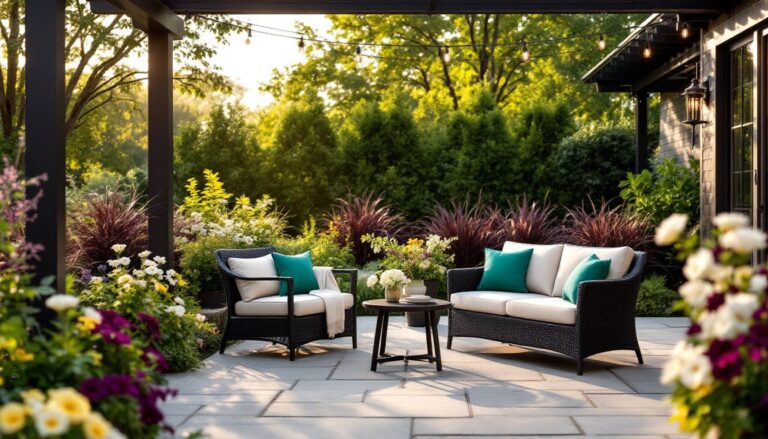
Spring cleaning season is here, and if your outdoor space needs a refresh, wrought iron patio furniture sales offer a compelling opportunity to upgrade without breaking the budget. Wrought iron has remained a go-to choice for homeowners and DIY enthusiasts for decades, and for good reason. This durable, timeless material weathers years of use while maintaining its classic aesthetic. Whether you’re furnishing a small balcony or outfitting a sprawling deck, 2026 sales present the perfect window to invest in pieces that combine style, durability, and value. Understanding where to shop, how to evaluate quality, and what maintenance demands these pieces require will help you make smart choices that last.
Table of Contents
ToggleKey Takeaways
- Wrought iron patio furniture sales peak in spring (March–April) and late summer (August–September), making these the ideal windows to purchase quality pieces at discounted prices.
- Quality wrought iron is hand-forged, weathers 15 to 20+ years with minimal maintenance, and offers superior value compared to lightweight aluminum or plastic alternatives that require replacement every 5–7 years.
- When evaluating wrought iron pieces, prioritize smooth welds without gaps, consistent powder-coat finishes, appropriate scale for your space, and high-density foam cushions (2–3 inches) for comfort and durability.
- Regular maintenance—including biweekly cleaning with mild soapy water, seasonal inspections for powder-coat damage, and immediate touch-ups with rust-inhibiting sprays—prevents corrosion and extends furniture lifespan by years.
- Shop from reputable online retailers with 30+ day return policies and transparent material specs, or visit local showrooms to inspect joints and finishes in person before committing to a purchase.
- Seasonal storage in garages or weatherproof covers (not plastic sheeting) protects wrought iron furniture during humid months, while annual protective sealant applications create a sacrificial barrier against rust and environmental damage.
Why Wrought Iron Furniture Is Worth The Investment
Wrought iron furniture stands apart from aluminum, plastic, or wicker alternatives because of its structural integrity and longevity. Unlike lightweight aluminum frames, wrought iron is hand-forged metal, typically iron with less than 0.3% carbon content, that’s shaped while hot and cooled to create consistent, strong joints. This manufacturing process means fewer weak points and a piece that can support repeated use and varying weather conditions.
The aesthetic appeal is undeniable. Wrought iron carries a sense of craftsmanship and permanence that mass-produced materials simply don’t match. Scrollwork, decorative details, and curved legs are achievable because the material allows artisans to sculpt intricate designs. You get furniture that functions as both seating and visual anchor in your outdoor room.
Durability translates directly to value. A quality wrought iron chair or table can last 15 to 20+ years with basic maintenance. Compare that to plastic furniture needing replacement every 5 to 7 years, and the cost-per-year math favors wrought iron significantly. Yes, the upfront price is higher, but you’re buying an asset, not a consumable.
Where To Find The Best Wrought Iron Patio Furniture Deals
Finding quality wrought iron at sale prices requires knowing where to look and when. Sales typically occur at the start of spring (March–April) and end of summer (August–September), when retailers clear inventory and make room for new stock. The challenge is distinguishing between genuine wrought iron and cast iron lookalikes, and between structural discounts and clearance-bin junk.
Online Retailers and Marketplaces
Online shopping offers convenience and often wider selection than brick-and-mortar stores. Major retailers like Wayfair, Overstock, and Amazon regularly feature wrought iron patio furniture with rotating sales. The upside: you can compare dozens of pieces side by side and read customer reviews that mention rust resistance, seat comfort, and assembly difficulty. The downside: you can’t inspect welds, feel cushion quality, or check for manufacturing defects in person.
When shopping online, prioritize retailers with clear return policies (30 days minimum) and transparent product descriptions that specify material (wrought iron vs. cast iron), seat dimensions, weight capacity, and whether cushions or glass tops are included. Look for product photos showing joints and welds, these reveal craftsmanship quality. Also, factor in shipping costs: a “discounted” piece can become expensive once delivery fees are added, especially for heavy items.
Local Furniture Stores and Showrooms
Local furniture retailers and outdoor specialty shops often run seasonal sales that rival or beat online pricing. The advantage here is tactile, you can sit in chairs, test table stability, and inspect finishes for bubbling paint or uneven coating. Staff in brick-and-mortar stores may also offer assembly services or delivery included with larger purchases, which online retailers sometimes charge extra for.
Visit showrooms before sales begin to ask when promotions start. Many will notify you by email or phone. Smaller, locally-owned shops sometimes negotiate prices better than big-box stores, especially if you’re buying multiple pieces or bundling furniture with accessories. Don’t overlook outdoor living centers at home improvement stores, they rotate inventory seasonally and often discount previous-season items by 20–40% to clear space.
How To Choose Quality Wrought Iron Pieces For Your Outdoor Space
Once you’ve located sales, evaluating individual pieces ensures you’re buying durability, not just a pretty picture. Start with material verification. Genuine wrought iron is hand-worked and heavier than cast iron (which is poured into molds). If a piece feels unusually light or has a grainy surface texture, it’s likely cast iron, still usable but less refined and sometimes more prone to cracking under stress. Ask the retailer or check product descriptions for material specifications.
Examine welds and joints carefully. Run your fingers along connection points where legs meet frames or where seat supports attach to the back. Welds should be smooth, consistent, and free of gaps or irregular bulges. Gaps indicate incomplete penetration and future failure points. On site or in photos, look for tight seams, any visible gaps mean poor assembly or inferior welding.
Consider scale relative to your space. A wrought iron sectional designed for a 20-by-20-foot deck looks cramped on a small balcony. Measure your area and sketch a rough layout. Wrought iron pieces demand visual breathing room: they’re visually heavier than wicker or metal mesh furniture. As a rough guide, a dining set (table plus four chairs) needs at least a 10-by-12-foot zone.
Finish quality matters. High-quality pieces are powder-coated after fabrication, creating a uniform, hard surface that resists chipping and rust. Run your eye along edges and crevices: uniform color and sheen indicate professional finishing. If paint appears thin, uneven, or glossy in some spots and dull in others, that’s a red flag for inconsistent coating. Don’t assume black is standard, modern sales include bronze, burgundy, cream, and custom colors that coordinate with outdoor décor.
Seating comfort and cushioning aren’t afterthoughts. Chairs without cushions should have a slight back angle (not vertical) and a seat depth of roughly 16 to 18 inches for adults. If cushions are included, feel the density: cheap foam compresses immediately and offers no support. Quality outdoor cushions contain high-density foam (2-3 inches) wrapped in weather-resistant fabric like Sunbrella. Cushion removability matters too, you’ll need to clean or replace them eventually, so ensure they’re not permanently attached.
Maintenance Tips To Extend Your Furniture’s Lifespan
Wrought iron maintenance is straightforward but non-negotiable. Neglect it, and rust will develop in 1-2 years, even on powder-coated pieces. Start with a maintenance routine that prevents rust before it forms.
Regular cleaning removes dirt, pollen, and moisture that trap on surfaces and feed corrosion. Every two to four weeks, wipe down furniture with a soft cloth and mild soapy water. For stubborn grime, a soft brush works without scratching the finish. Dry thoroughly with another cloth immediately afterward, standing water accelerates rust formation.
Inspect your pieces seasonally for chips or worn areas in the powder coat. Small scratches or dings expose bare metal underneath. Use a rust-inhibiting spray (like Rust-Oleum’s Metallic series) to touch up exposed areas immediately. These sprays create a thin protective layer that buys time until professional refinishing is needed. Don’t wait: a pinhole-sized exposed spot can bloom into rust within weeks.
Seasonal storage or protection extends life significantly, especially in humid climates. If possible, move furniture to a garage or shed during the wettest months (typically November through March in most regions). If storage isn’t feasible, use weatherproof furniture covers designed for outdoor use, not plastic sheeting, which traps moisture underneath. Covers should allow air circulation to prevent condensation buildup.
For pieces that remain outdoors year-round, apply a fresh coat of protective sealant or wax annually. Products like paste wax or acrylic sealant (applied per manufacturer instructions) create a sacrificial barrier that protects the powder coat beneath. This step takes an afternoon but can extend furniture life by years.
Cushions require separate care. Remove them during rain and bring them indoors overnight if possible, moisture trapped inside cushions breeds mildew and mold. Air-dry cushions fully before returning them to furniture. If Sunbrella or similar solution-dyed fabrics are used, occasional hand-washing with mild detergent keeps them looking new. Southern living home design and similar resources often feature patio furniture maintenance timelines that align with seasonal changes in your region. Most importantly, don’t defer repairs. A small rust spot or cracked weld costs $20–50 to address now: ignored, it becomes a $200+ restoration project or replacement.
Conclusion
Wrought iron patio furniture sales in 2026 offer homeowners a practical opportunity to invest in pieces built to last decades. By understanding why wrought iron outperforms alternatives, knowing where to hunt for deals, evaluating quality before purchase, and committing to seasonal maintenance, you’ll build an outdoor space that’s both beautiful and functional. The key is patience: shop during peak sale periods, inspect carefully, and don’t let a lower price tempt you into a compromised piece. With wrought iron, durability and timeless style make the investment worthwhile.