Buying patio furniture used to mean wrestling with confusing assembly instructions for hours. Pre-assembled patio furniture has flipped that script entirely. Whether you’re outfitting a small balcony or a sprawling backyard, assembled furniture arrives ready to use, no Allen wrench required. This shift has made outdoor living more accessible, but knowing how to choose the right pieces, set them up properly, and keep them in good shape is key to getting real value from your investment. The market has evolved significantly, and understanding what’s available and how to care for it will help you create an outdoor space that lasts.
Table of Contents
ToggleKey Takeaways
- Assembled patio furniture eliminates time-consuming assembly and arrives ready to use, allowing homeowners to spend more time enjoying their outdoor space rather than wrestling with instructions.
- Material selection is critical—aluminum suits humid climates, hardwoods age gracefully with maintenance, and resin wicker offers low-maintenance durability, so choose based on your climate and lifestyle commitment.
- Proper setup including level placement, drainage planning, and 6-8 foot spacing between seating creates both comfort and longevity while preventing structural strain and moisture damage.
- Seasonal maintenance of cushions, annual metal inspection, and appropriate wood sealing are simple preventive steps that extend assembled patio furniture lifespan from five years to fifteen or more.
- Climate-specific considerations matter significantly—four-season climates need drainage solutions, coastal areas require corrosion-resistant materials like aluminum, and subtropical regions benefit from sealed hardwoods and resin wicker to combat salt air and mold.
Why Pre-Assembled Patio Furniture is Changing Outdoor Living
Pre-assembled patio furniture removes one of the biggest pain points of outdoor setup: assembly. You unbox it, position it, and you’re done. This isn’t just convenience, it’s time you get back to actually using your outdoor space instead of squinting at instruction manuals. The trend reflects a broader shift in homeowner priorities. People want to spend weekends relaxing with family, not debugging a pile of metal rods and mystery hardware.
Manufacturers have responded by improving durability and design in pre-assembled pieces. Many now offer modular configurations, meaning you can start small and expand your seating as your needs change. The quality gap between assembled and DIY options has narrowed considerably. You’re no longer paying a premium for convenience, you’re paying for sensible design and materials that can actually handle sun, rain, and seasonal temperature swings.
Another factor: sustainability. Fewer assembly mistakes mean less waste. Manufacturers also have better control over quality, so pieces are less likely to fail due to improper assembly. That translates to furniture that stays out of landfills longer.
Choosing the Right Materials for Your Outdoor Space
Material choice is everything with patio furniture. The wrong pick, and you’ll be replacing cushions every season or dealing with rust and rot. The right one, and your setup practically maintains itself.
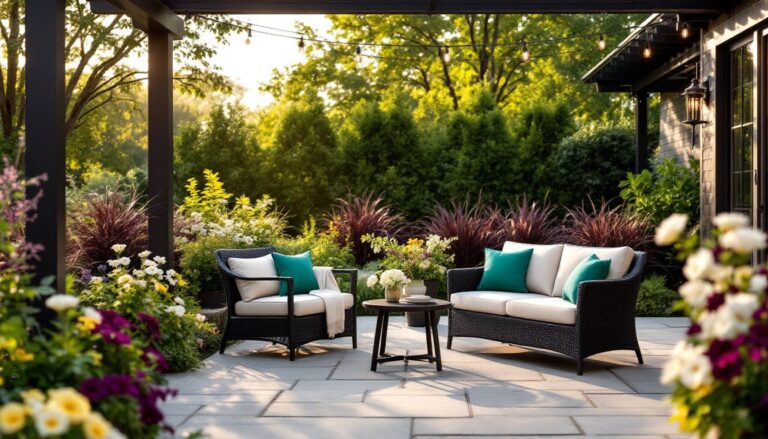
Aluminum is lightweight and corrosion-resistant, making it ideal for humid climates or coastal areas. It doesn’t rust, won’t splinter, and handles temperature swings without warping. The trade-off: it can feel less substantial than wood and conduct heat (so armrests can get hot in direct sun).
Wrought iron and steel offer heft and classic looks but require upkeep. They’ll rust without proper maintenance, primer and paint or clear-coat protection are essential. If you live near salt water or in high-humidity areas, these materials demand serious commitment. They’re beautiful when maintained, but lazy neglect shows fast.
Teak and other hardwoods age gracefully and develop character. They’re naturally rot- and insect-resistant. But, quality teak is expensive, and “teak-look” alternatives won’t last as long. Wood needs annual sealing or oiling to maintain appearance, though it won’t fail structurally if you skip maintenance, it just silvery-grays.
Resin wicker (synthetic) mimics natural wicker without the water-absorption problems. It’s durable, lightweight, and handles wet conditions well. The downside: it can fade in intense UV and isn’t as comfortable directly against skin in hot weather (cushions fix that).
Composite materials blend plastic and wood fibers to deliver durability with minimal fuss. They don’t splinter, rot, or require staining. Some folks find them less aesthetically interesting than natural wood, but technology has improved color and texture options significantly.
Weather-Resistant Options for Every Climate
Consider your local climate seriously. If you’re in the Pacific Northwest with frequent rain and mild winters, you need moisture-shedding surfaces and ventilation, resin wicker or aluminum work well. In the Southwest, intense UV and heat matter more: darker finishes fade faster, so light colors or UV-resistant coatings help.
In humid subtropical climates (think Florida or Louisiana), salt air and mold are concerns. Aluminum, high-quality resin wicker, and sealed hardwoods outperform ferrous metals here. If you’re in a four-season climate with snow and freeze-thaw cycles, avoid anything that traps water (fabric bottoms without drainage holes) and materials prone to expansion/contraction damage.
Check product specs for UV ratings and water absorption percentages. Reputable manufacturers test their materials and will publish this data. If a product page doesn’t mention climate suitability, that’s a red flag.
Setting Up Your Patio Furniture Like a Pro
Even with pre-assembled furniture, setup matters. Poor placement reduces comfort and durability. Start by measuring your space, not just length and width, but sight lines, shade patterns, and foot traffic flow. A furniture piece that looked perfect in the showroom photo might block your back door or sit in full-sun glare all afternoon.
Clear and level the area. Grass might look soft, but uneven settling leads to wobbly seating. If you’re placing furniture on grass, consider a permeable patio mat or stepping stones to prevent mud and sinking legs. For decks and concrete, verify the surface is level with a 2-foot level. High spots can strain frame joints and cause cushion bunching.
Account for drainage. If you’re using cushioned pieces, ensure water drains away from the spot. Pooling water under cushions leads to mold and mildew. Tilt concrete pads slightly if needed, or use furniture feet risers with drainage channels.
Stabilize heavy pieces. Wind can tip unsecured furniture, especially lighter resin or aluminum sets. Brackets and anchor kits aren’t just for beach houses, they’re smart insurance anywhere. For modular sets, confirm all connection points are tight before use.
Layout and Spacing Best Practices
Following a furniture sets that transform approach, group pieces to create conversation zones. A seating arrangement works best when armrests or the nearest edges are 6-8 feet apart, allowing comfortable eye contact without shouting. If you’ve got a fire table or focal point, arrange seating so everyone can see and access it safely.
Leave at least 18-24 inches of clearance around each piece for movement and maintenance. You’ll need room to clean underneath and flip cushions without hauling furniture across the patio. If you have a dining table, plan on 36 inches of walkway space behind chairs so people can sit and stand safely.
Consider traffic patterns. Don’t block the path from the house to the rest of the yard. Situate smaller accent tables near seating but not in walkways. If you’re stacking chairs for winter storage, position the set so the stack doesn’t dominate your view from inside.
With modular furniture, start with core pieces (a sofa or sectional and a table) before adding chaises, ottomans, or additional chairs. This prevents overcrowding and lets you see what your space actually needs. Many people buy big and regret it: it’s easier to add a piece later than squeeze an oversized set into a small yard.
Essential Maintenance Tips for Long-Lasting Furniture
Maintenance separates five-year furniture from fifteen-year furniture. Most pre-assembled pieces are durable, but neglect kills them fast.
Cushions need the most attention. Remove them seasonally or during wet weather, and store in a dry place. Even weather-resistant fabrics can harbor mold if left damp for weeks. Wash covers annually with mild soap and water, and let them dry completely before reinstalling. Mold and mildew thrive in dark, damp cushion cores, good airflow prevents this.
Metal frames should be inspected for rust annually. Light surface rust wipes away with a wire brush, but deep rust needs sanding, priming, and repainting. For aluminum, an annual rinse with a garden hose and mild soap keeps salt and pollen buildup under control. For wrought iron or steel, a clear-coat protective spray every 1-2 years extends life significantly.
Wood requires sealing. New hardwood furniture should be sealed or oiled before its first season. Teak needs sealing every 1-2 years: softer woods like cedar need annual attention. If you see water beading on the surface, the seal is still good. If water soaks in, it’s time to recoat. You don’t need expensive marine-grade finishes, standard outdoor wood sealers work fine and cost $20-40 per gallon.
Resin and composite pieces are the low-maintenance option. A rinse with a hose and occasional wipe-down with a damp cloth suffice. Avoid harsh chemicals or pressure washers, which can damage the finish. For stubborn stains, mild soap and a soft brush work.
Storage strategy matters in harsh climates. If you live somewhere with heavy snow or brutal ice, storing furniture indoors during winter is smart. Even durable pieces can sustain damage from extreme temperature swings or heavy wet snow. A simple tarp isn’t ideal long-term storage, but it’s better than nothing if you don’t have garage or shed space. Ensure tarps don’t trap moisture, use breathable covers or prop furniture so air circulates underneath.
Consulting step-by-step DIY project tutorials or detailed furniture building guides can help with specific maintenance issues. Also, many manufacturers provide care sheets, follow those rather than guessing. Resources like Fix This Build That also cover furniture repair strategies if something does wear out. Preventive care, annual cleaning, sealing, and inspection, costs little and adds years to your investment. A few hours of spring prep keeps your outdoor space looking good and functioning safely all season long.
Conclusion
Assembled patio furniture simplifies outdoor living, but success depends on choosing the right materials for your climate and setting pieces up thoughtfully. Proper layout, spacing, and seasonal maintenance transform a furniture purchase into a lasting investment. Start with durable pieces suited to your environment, protect them from the elements, and you’ll enjoy your outdoor space for years without frustration. The effort pays off every time you step outside.