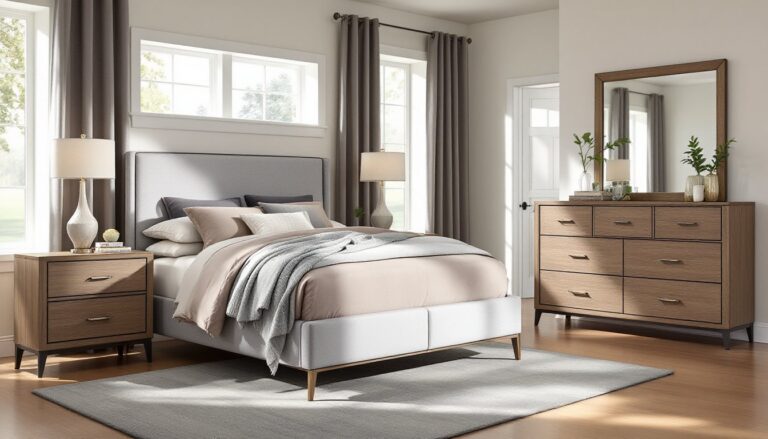
Art Deco bedroom furniture brings geometric precision, luxurious materials, and bold symmetry to sleeping spaces. Born in the 1920s and 1930s, this design movement celebrates machine-age aesthetics paired with fine craftsmanship, think sleek lines, rich veneers, and eye-catching hardware. Whether you’re furnishing a bedroom from scratch or refreshing an existing one, understanding Art Deco fundamentals helps you select pieces that feel cohesive rather than scattered. This guide walks you through the defining characteristics, essential furniture pieces, color strategies, and smart ways to build an Art Deco bedroom without emptying your wallet.
Table of Contents
ToggleKey Takeaways
- Art Deco bedroom furniture is defined by geometric patterns, luxurious materials like exotic veneers and brass accents, and low-profile silhouettes that create a sophisticated, intentional aesthetic.
- Essential Art Deco bedroom pieces include a low platform bed frame, matching nightstands with chrome or brass hardware, a wide dresser with a large mirror, and a seating bench to complete the period-appropriate design.
- Create contrast through deep jewel-toned color combinations like black-and-gold or emerald-and-chrome, while keeping walls neutral so Art Deco furniture pieces become the focal point of the room.
- Build an Art Deco bedroom on a budget by shopping secondhand first, mixing one authentic vintage piece with quality reproductions, and strategically refinishing or reupholstering existing furniture.
- Blend Art Deco with modern, bohemian, or industrial styles by respecting the strong geometric lines of Art Deco pieces while layering complementary textiles and accessories for personality and warmth.
What Defines Art Deco Bedroom Furniture
Key Design Elements and Materials
Art Deco furniture revolves around a few non-negotiable visual signatures. Geometric patterns, chevrons, sunbursts, stepped forms, and symmetrical layouts, dominate the aesthetic. These aren’t random: they echo the era’s fascination with modern engineering and streamlining.
Materials matter enormously. High-quality Art Deco pieces typically combine exotic veneer woods (walnut, ebony, rosewood) with chrome or brass accents, mirror panels, and occasionally inlaid mother-of-pearl or lacquer work. The contrast between warm wood tones and cool metallics creates visual tension that feels intentional and sophisticated.
Dimensionally, Art Deco furniture favors low-profile silhouettes. Beds sit close to the floor, nightstands are compact and architectural, and storage pieces stack horizontally rather than vertically. Legs, when visible, are often tapered or geometric rather than ornate.
Mirror and glass play crucial supporting roles. A bedroom might feature a dresser with a large mirror panel, or nightstands topped in glass. These reflective surfaces amplify light and create a sense of depth, practical and beautiful simultaneously. Upholstered pieces (headboards, benches) typically use bold, solid colors or geometric jacquards rather than florals or damask patterns that belong to other eras.
Essential Furniture Pieces for an Art Deco Bedroom
Start with the bed frame, it’s the anchor. An authentic Art Deco bed features a low platform base, sometimes with a padded headboard that extends slightly above mattress level. If hunting vintage, look for beds in walnut or mahogany: reproduction options are widely available and often more affordable. A stepped or tiered headboard silhouette screams Art Deco.
Nightstands should echo the bed’s material and hardware. Avoid spindly legs: instead, choose compact two-drawer pieces with chrome or brass pulls, often with a glass or marble top. Pairs of matching nightstands frame the bed and anchor symmetry, essential to Art Deco logic.
A dresser or chest of drawers acts as your storage and display piece. Look for wide, horizontal proportions with a large mirror, geometric hardware, and clean lines. Many Art Deco dressers feature curved edges and sunburst veneers on the face. This piece sets the room’s sophistication level more than almost anything else.
A bedroom bench or small seating piece adds functionality and visual weight at the foot of the bed. Upholstered in a bold fabric or leather with geometric stitching, it completes the period-appropriate tableau. Don’t skip this, it signals intentional design rather than just-happened-to-buy-it furnishing.
Storage solutions might include wall-mounted shelves with geometric brackets or a tall cabinet with glass doors and brass hinges. These keep clutter at bay while contributing to the layered, architectural feeling Art Deco demands. Consider how unique living room furniture demonstrates how statement pieces elevate a space, the same principle applies to Art Deco bedroom pieces.
How to Select the Right Color Palette and Finishes
Art Deco bedrooms often rely on deep, jewel-toned color combinations. Black-and-gold is the classic pairing: so is deep emerald green with chrome accents. Navy and brass, burgundy and silver, or even charcoal with rose gold work beautifully. The key is contrast, light and dark, warm and cool, matte and reflective.
Wall color sets the backdrop. Many Art Deco devotees opt for soft neutral walls (cream, light gray, pale taupe) so furniture becomes the focal point. Others go bold with a single accent wall in deep jewel tone or even a geometric wallpaper featuring chevrons or stepped patterns. If you choose patterned wallpaper, keep furniture lines simpler: if furniture shines with detail, keep walls subdued.
For wood finishes, high-gloss lacquer or polished veneers reflect light and emphasize the period style. Matte finishes feel contemporary and can work if hardware is substantial and metallic. Chrome and brass hardware should be consistent throughout the room, don’t mix finishes haphazardly.
Textiles (bedding, curtains, throw pillows) are where you inject personality safely. Geometric patterns in silk or wool, solid jewel tones, or even subtle Art Deco motifs in fabric form create visual interest without overwhelming the room. A quality linen throw or faux fur blanket across the bed adds luxury. Bedding from white furniture living room pieces demonstrates how cohesive color coordination elevates the entire space’s elegance.
Incorporating Art Deco on a Budget
Authentic vintage Art Deco furniture commands premium prices, expect $800–$3,000+ for a genuine dresser or bed frame in good condition. Smart shopping requires patience and flexibility.
Hunt secondhand first. Vintage and antique markets, estate sales, and specialized sellers often price items lower than retail galleries. Online platforms dedicated to vintage furniture let you filter by era and price. A solid wood dresser from the 1970s that echoes Art Deco geometry might cost $400–$600 and serve your room beautifully.
Mix reproduction with authentic pieces. Buy one standout vintage dresser or nightstand, then fill in with quality reproductions. Modern makers produce Art Deco-inspired furniture at mid-range prices ($300–$800 per piece), and the consistency is reliable. Pair one authentic walnut dresser with reproduction nightstands, and the room reads cohesively.
Refinish or reupholster strategically. A secondhand bed frame with good bones but tired finish can be refinished for $150–$400, bringing it back to life. A vintage headboard or bench with worn upholstery becomes new again for $200–$500 with fresh fabric, often cheaper than buying new.
Accent with affordable pieces. Mirrors, geometric throw pillows, brass table lamps, and chrome pulls on existing nightstands inject Art Deco flavor for under $50 each. Paint an old nightstand frame and swap hardware, instant upgrade. A single statement art piece featuring geometric patterns or bold colors anchors the aesthetic without breaking the budget. Professional publications like ELLE Decor’s Art Deco bedroom ideas showcase how thoughtful curation, not budget alone, defines the style.
Mixing Art Deco With Modern and Vintage Styles
A pure Art Deco bedroom can feel museum-like if executed without warmth. Blending in complementary styles adds personality and livability.
Art Deco + Modern: Pair geometric Art Deco furniture with minimalist bedding and contemporary wall art. Clean-lined reproductions in walnut or black lacquer sit comfortably next to mid-century modern pieces (they share similar values around function and form). A sleek metal nightstand lamp with a simple linen shade bridges both eras. Contemporary gray-and-white geometric wallpaper plays well with Art Deco furniture’s symmetry. This fusion appeals to people who love precision but reject excess ornamentation.
Art Deco + Bohemian Vintage: Soften hard Art Deco geometry with layered textiles, throw blankets in jewel tones, patterned pillows mixing stripes and florals, a macramé wall hanging alongside geometric art. This pairing works if you keep the furniture line strong (don’t muddy it) and let textiles carry the eclecticism. A brass Art Deco nightstand beside a woven basket and potted plant feels intentionally curated rather than careless.
Art Deco + Industrial: Chrome, glass, and geometric forms overlap naturally here. Exposed metal shelving, Edison bulb lighting, concrete or polished concrete accents, and dark metal bed frames create a cohesive industrial-Art Deco hybrid. This works especially well in urban lofts or converted warehouse bedrooms where raw materials already dominate.
The unifying principle: Respect line and proportion in Art Deco pieces, then layer softer or more playful elements around them. Your bedroom should feel curated, not confused. One dominant style (Art Deco) anchors the room: secondary influences complement rather than compete. Design inspiration from Architectural Digest and HGTV demonstrates how professional designers balance period authenticity with modern comfort and personal taste.
Conclusion
Building an Art Deco bedroom rewards patience and intentionality. Whether you invest in one authentic vintage piece or curate a full room of reproductions, the geometric precision, luxurious materials, and bold contrasts of Art Deco create a bedroom that feels sophisticated and timeless. Start with foundational pieces, bed, dresser, nightstands, then layer in color, textiles, and accessories. Mix in complementary styles thoughtfully, and your bedroom becomes a personal sanctuary that honors design history while reflecting who you are today.