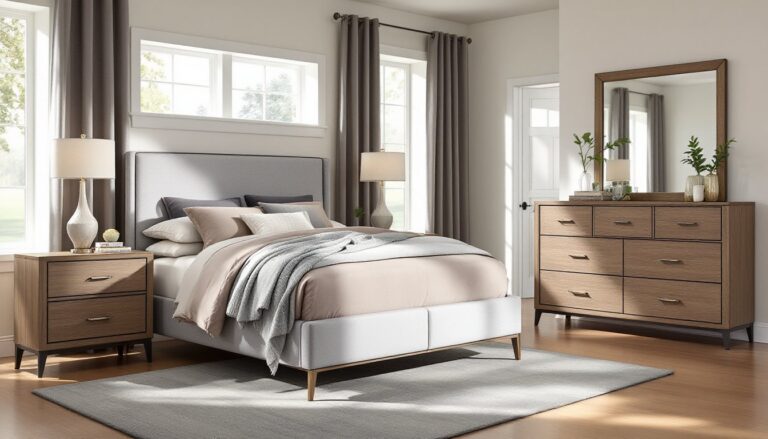
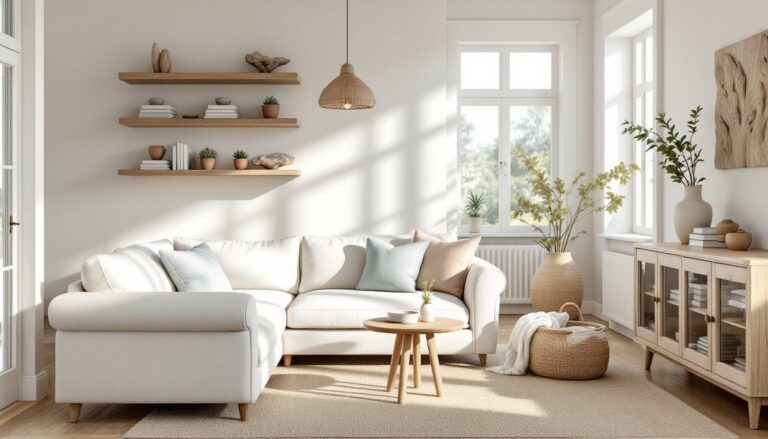
Picking the right living room furniture set isn’t just about finding pieces that look good, it’s about building a space where your household actually wants to gather. Whether you’re furnishing a cramped terrace in Manchester or a spacious cottage in the Cotswolds, living room furniture sets in the UK come in countless styles, price points, and quality levels. The challenge is cutting through the noise and landing on a set that fits your lifestyle, space, and budget. This guide walks you through the key decisions, from assessing your room’s dimensions and design preferences to understanding the trade-offs between cost and durability. You’ll learn what separates a solid investment from a regrettable purchase, and how to avoid common mistakes that cost time and money down the road.
Table of Contents
ToggleKey Takeaways
- Measure your living room furniture sets UK space carefully before purchasing, including doorways and architectural features, to ensure pieces fit and function properly in your home.
- Quality frames using solid wood or high-quality plywood with dowel-jointed construction will outlast budget alternatives by decades and represent better long-term value.
- Mid-range furniture sets (£2,500 to £6,000) offer the best balance of durability and cost, typically lasting 10+ years with solid wood frames and higher-density foam filling.
- Modern and contemporary living room furniture sets work well in smaller UK homes because they don’t visually overwhelm spaces, while traditional sets suit period properties and rooms with architectural detail.
- Online specialists offer lower prices than high-street stores by reducing overhead, but always read customer reviews carefully to verify frame durability and delivery quality.
- Natural fabrics age beautifully but stain easily, while synthetic blends and performance fabrics are more practical for households with children or pets.
Understanding Your Space And Style Preferences
Before you spend a pound, measure your room properly. Pull out a tape measure and note the length, width, and ceiling height. Check doorways and stairwells, if your sofa is wider than the doorframe, you’ve got a problem before it even arrives. Walk the furniture through your home mentally or, better yet, sketch it to scale on graph paper. Mark radiators, windows, light switches, and any architectural quirks (alcoves, fireplaces, built-ins) that’ll dictate where pieces can actually go.
Now consider foot traffic and natural sightlines. Do people move through your living room to reach other spaces? Is there a TV wall that everyone naturally faces? Understanding these flows helps you place the main furniture pieces, usually a sofa and chairs, so they support how you and your household actually use the room.
Style matters, but it’s also honest: do you want a room that feels formal and curated, or lived-in and relaxed? Are you drawn to the clean lines of contemporary design, the warmth of traditional aesthetics, or something eclectic that mixes both? Blue living room furniture or neutral tones can set a completely different mood. Your preference will narrow which furniture sets are worth considering, because mismatched styles rarely feel intentional, they look like you ran out of budget or patience.
Types Of Living Room Furniture Sets Available In The UK Market
Modern And Contemporary Sets
Modern living room sets prioritize clean lines, minimalist silhouettes, and a focus on function over ornamentation. Sofas often feature low-slung frames, geometric shapes, and neutral upholstery in grey, charcoal, or warm beige. Accompanying pieces, coffee tables, side tables, TV units, tend toward simple geometry: rectangles, circles, or combinations that feel uncluttered.
Contemporary sets adapt modern principles but allow slightly more personality and texture. You’ll see mid-century influences (tapered wooden legs, warm wood tones), mixed materials (metal frames with upholstered seats), and colours that are still restrained but less austere. These sets work brilliantly in smaller UK homes because they don’t visually overwhelm a space.
Traditional And Classic Collections
Traditional living room furniture sets draw from Victorian, Georgian, or country-house aesthetics. Think rolled armrests, button-tufted upholstery, turned wooden legs, and rich fabrics like velvet or linen with patterned weaves. Colours run to deep burgundies, forest greens, warm browns, and cream. These sets make a statement and often work best in older properties, period cottages, Victorian terraces, or homes with high ceilings and architectural detail.
Classic sets occupy a middle ground: they’re less fussy than full traditional, but warmer and more decorative than stark modern. Mixing dark and light wood furniture in a classic set creates visual interest without feeling chaotic, and it’s a smart approach if your home already has mixed wood tones from other pieces or the architecture itself.
Budget Considerations And Price Ranges
UK living room furniture sets vary wildly in price. Budget sets, often found at high-street and online retailers, typically cost £1,000 to £2,500 for a three-piece suite (sofa plus two chairs or a sofa and footstool). These sets use engineered wood frames, polyurethane foam filling, and synthetic upholstery or budget-friendly natural fabrics. They’ll function, but don’t expect them to last 15 years of heavy use.
Mid-range sets (£2,500 to £6,000) usually feature solid wood frames, higher-density foam, and a blend of natural and synthetic fabrics. Quality jumps noticeably here: a sofa from this bracket should last 10+ years if treated well. Many UK high-street stores and online furniture specialists sit in this sweet spot.
Premium sets (£6,000 and up) involve hardwood frames, top-grain leather or high-end upholstery, hand-tied springs or pocket coils, and often bespoke options (size, colour, leg style). These are investments, not purchases, but they’ll outlive cheaper alternatives by decades.
Budget doesn’t always equal value. A TV room furniture set priced at £1,200 might offer better durability than one at £1,500 if the frame construction is superior. Read reviews, ask about frame type and filling density, and compare warranty terms. Cheap doesn’t mean terrible: thoughtless spending means terrible.
Quality Materials And Durability For Long-Term Value
The frame is everything. Look for solid wood (oak, beech, or hardwoods from sustainably managed sources) or high-quality plywood. Avoid stapled-on particleboard: it won’t survive repeated use. The best frames are dowel-jointed or mortise-and-tenon construction, you might not see this detail in a showroom, but it’s worth asking about.
Filling matters just as much. High-density foam (28 kg/m³ or above) holds its shape far longer than low-density foam, which compresses and sags within a few years. Pocket-coil springs or hand-tied springs under the foam add durability and comfort, though they increase cost. Many budget sets use sinuous wire springs (cheaper, functional but less responsive).
Upholstery fibre affects both feel and longevity. Natural fabrics, linen, cotton, wool, age beautifully and breathe well but stain more easily. Synthetic blends (polyester-cotton mixes) resist staining and are easier to clean. Leather requires conditioning but develops character over time. If you have children or pets, a performance fabric treated with Scotchgard-type stain protection is practical, not a compromise.
Asking questions before you buy matters: What’s the frame material? What density is the foam? How are seams finished? Can covers be removed for washing? What’s the warranty length and what does it cover? Retailers who dodge these questions aren’t worth your time.
Where To Buy Living Room Furniture Sets In The UK
High-street stores (John Lewis, M&S Home, Next Home) offer the advantage of seeing and sitting on furniture before committing. Staff are usually knowledgeable, and returns policies tend to be straightforward. Prices are mid-range: you’re paying a bit extra for the convenience and service.
Online specialists (Made.com, Wayfair UK, Dunelm) often undercut high-street prices because they skip the store overhead. You can browse thousands of styles from home, but you can’t touch the fabric or test the sofa’s firmness. Delivery can take 4-8 weeks for made-to-order pieces. Read customer reviews closely, they’ll reveal frame durability and how the furniture arrived.
Independent furniture makers and local craftspeople offer bespoke options and often superior construction. A living room sets comparison against a bespoke local maker reveals the trade-off: Ashley offers variety and moderate pricing: a local maker offers customisation and often better longevity. White furniture living room sets from either source can work, but the budget is usually higher for custom pieces.
Interior design platforms like HGTV and Domino inspire style decisions, while resources like Houzz help you visualise how specific pieces work together. Online marketplaces (Amazon, eBay) do stock furniture, check seller ratings and return policies carefully.
Whichever route you choose, buy from a retailer with a clear returns and delivery policy. Furniture is expensive: you’re not buying on whim. Take photos of your room, ask delivery staff to inspect for damage on arrival, and don’t pay the final amount until you’re happy.