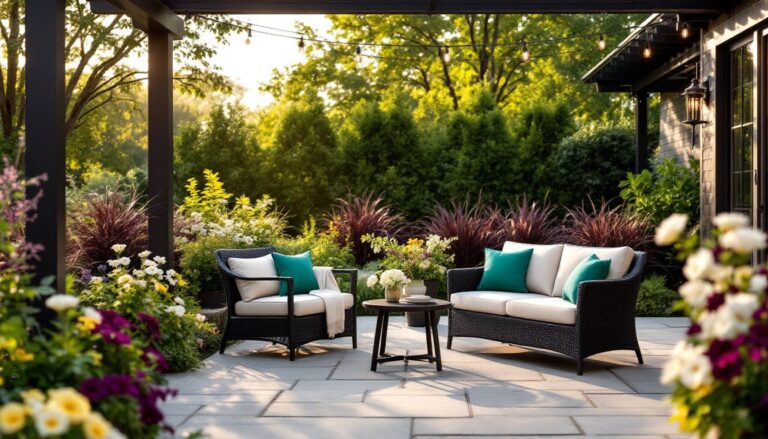
A loveseat brings intimate seating to your patio without consuming the footprint of a full sofa. Whether you’re furnishing a small balcony, creating a cozy conversation nook, or adding layered seating to a larger deck, patio furniture loveseat options offer versatility and style. Unlike standalone chairs, a loveseat fits two people comfortably, or one person with room to stretch, making it the practical middle ground between single-seat pieces and sectionals. With materials ranging from weather-resistant wicker to powder-coated metal and fade-resistant cushioned upholstery, today’s loveseat patio furniture blends durability with aesthetic appeal. This guide walks you through selecting, styling, and maintaining a loveseat that works hard and looks great year after year.
Table of Contents
ToggleKey Takeaways
- Loveseat patio furniture offers a practical middle ground between single chairs and full sofas, fitting two people comfortably or one with room to stretch in spaces where larger sectionals won’t fit.
- Weather-resistant materials like resin wicker, powder-coated metal, and solution-dyed acrylic fabrics with stainless steel hardware ensure your loveseat patio furniture lasts years without frequent replacement.
- Proper placement requires 18–24 inches of clearance around your loveseat and consideration of sun exposure; pieces under pergolas or in shade weather differently than those in all-day sunlight.
- Regular maintenance including monthly rinsing, seasonal cushion deep-cleaning, and annual hardware checks significantly extends the lifespan and appearance of loveseat patio furniture.
- Match your loveseat’s style—whether modern, traditional, Mediterranean, or rustic—to your existing deck aesthetic to create a cohesive outdoor living space.
- Test seat depth and comfort before purchasing, as dimensions vary widely; deeper models (32+ inches) suit taller frames and lounging, while shallower options (under 28 inches) work for petite spaces.
What Is Loveseat Patio Furniture and Why It Works for Your Outdoor Space
A loveseat patio furniture piece is a two-person seating unit scaled for outdoor use. It’s broader and deeper than an accent chair but narrower than a standard sofa, typically 50 to 70 inches wide and 30 to 36 inches deep. This footprint makes it ideal for patios, decks, and covered porches where a full-sized sectional won’t fit.
The appeal is twofold. First, a loveseat invites conversation and intimacy without forcing guests into a formal living-room setup. Second, it opens design flexibility. You can pair it with matching chairs, mix it with a coffee table and ottoman, or position it as the sole seating anchor on a smaller deck. A loveseat works particularly well on balconies, under pergolas, or against a fence line where space is limited but comfort matters.
Unlike casual lawn furniture, quality loveseat patio furniture is engineered to handle UV exposure, moisture, and temperature swings. The best pieces use weather-resistant frames, treated fabrics, and construction details (mortise-and-tenon joints, stainless steel hardware) that resist rust and degradation. That durability justifies the investment, you’re not replacing it every two seasons.
Key Materials and Design Styles to Consider
Popular Materials: Wicker, Metal, Wood, and Upholstery Options
Wicker and rattan remain perennial favorites. Hand-woven or machine-made synthetic wicker (often made from resin-coated polyethylene or polypropylene) resists fraying and fading better than natural materials. Look for kiln-dried wicker on metal or aluminum frames: the kiln-drying process locks in the weave. Natural wicker requires more maintenance but develops a beautiful patina over time.
Metal frames, aluminum, iron, and steel, offer clean lines and lightweight handling. Aluminum is rust-proof and the lightest option: iron and steel are sturdier but require powder-coat finishes and regular inspection for rust. Stainless steel hardware (bolts, rivets) prevents corrosion at joints.
Wood, particularly teak and acacia, ages gracefully outdoors. Teak’s natural oils resist rot and pests without treatment, though it grays over time. Other hardwoods require periodic sealing or staining to prevent splintering and weather damage. How to make your patio furniture last a lifetime emphasizes teak as a long-term investment material.
Upholstery cushions should use solution-dyed acrylic (like Sunbrella), polyester, or performance fabrics rated for outdoor UV and moisture. Budget-grade fabric fades quickly and absorbs water: premium outdoor fabrics shed water and resist mildew growth. Remove cushions and store them indoors during off-season or in lockable deck boxes if you leave them outside.
Design Styles That Match Your Home Aesthetic
Modern styles favor clean lines, metal frames, and neutral cushions. Industrial-inspired loveseat patio furniture pairs wrought iron or brushed-steel frames with minimal upholstery. Transitional designs blend traditional silhouettes with contemporary materials, think curved wooden arms on a metal frame.
Traditional and cottage styles lean into wicker, woven fabrics, and roll-arm details. Mediterranean aesthetics use terra-cotta-colored cushions, wrought iron, and natural wood finishes. Rustic farmhouse styles pair reclaimed wood frames with plush, layered cushioning.
Contemporary minimalism strips away ornament: low-profile frames, monochromatic cushions, and materials that blur indoor-outdoor boundaries. Design inspiration and outdoor living ideas showcase how cohesive styling ties loveseat pieces into larger patio schemes. The key is matching your loveseat’s visual weight to your existing deck or patio furniture, don’t drop a heavy wicker piece into a stark modern courtyard, and vice versa.
How to Select the Right Loveseat for Your Patio Layout
Start with measurements. Sketch your patio to scale and mark walkways, doors, planters, and existing furniture. Your loveseat should leave at least 18 inches of clearance on each side for foot traffic and visual breathing room. If you’re placing it against the house or fence, 12 inches is acceptable: if it floats in the space, 24 inches is ideal.
Consider weight capacity. Most loveseat patio furniture is rated for 400 to 600 pounds distributed weight. Check the manufacturer’s spec sheet, especially if you plan regular use or expect larger guests. Metal frames typically handle heavier loads than wicker.
Assess sun and weather exposure. A loveseat under a pergola or in morning shade will weather differently than one in full, all-day sun. Resin wicker and performance fabrics hold up better in harsh sunlight: natural wood benefits from some shade. If your patio lacks shade, consider placement near a large umbrella stand or plan to use a fitted weather cover.
Think about traffic flow and social zones. A loveseat positioned perpendicular to a dining area creates a natural lounge zone without blocking sightlines. Pair it with a side table or small cocktail table to increase functionality, a 20-by-24-inch table fits neatly beside a loveseat without crowding.
Finally, test comfort before buying if possible. Depth, arm height, and seat firmness vary widely. A shallow loveseat (under 28 inches) suits petite frames: deeper models (32+ inches) accommodate taller people or lounging. Home improvement resources and guides offer detailed furniture selection checklists, review before committing to a high-end piece.
Caring for and Maintaining Your Loveseat Year-Round
Regular cleaning extends the life of any loveseat patio furniture. Wicker and metal frames benefit from a rinse with the garden hose every month: use a soft brush to remove debris from crevices. For stubborn dirt, a 10-percent vinegar-and-water solution cuts grime without damaging finishes.
Cushions need seasonal attention. Shake them out weekly to dislodge dust and prevent moisture pockets. Spot-clean spills with mild dish soap and a damp cloth: avoid bleach on colored fabrics. Every spring, deep-clean cushions with a fabric-safe cleaner and let them dry completely in sunlight before replacing them on the frame.
Wood pieces, especially teak or treated hardwoods, should be inspected for splintering or color fading. A light sanding with 120-grit paper every 18 to 24 months keeps the surface smooth. If the wood grays, apply a teak oil or exterior wood sealer according to the product’s cure time. Always work in dry conditions and allow full curing before using the furniture.
Metal frames need vigilance against rust. Wipe aluminum and powder-coated steel with a dry cloth after rain. If you spot rust spots (usually at fastener points), sand lightly, wipe clean, and apply a rust-converting primer followed by touch-up paint. For heavily rusted frames, replacing the piece is often more economical than restoration.
In cold climates, plan storage or covers. Drain and wrap upholstered loveseat patio furniture in weather covers before winter, or move cushions indoors and store the frame in a shed or garage. For year-round outdoor storage, invest in a fitted cover rated for UV and moisture resistance, not a flimsy plastic sheet that traps water.
Hardware maintenance is easy to overlook. Check bolts, rivets, and fasteners annually: tighten loose bolts and replace corroded hardware with stainless steel upgrades. This simple step prevents frame shifts and extends structural integrity by years.
Conclusion
Choosing the right loveseat patio furniture is about balancing durability, aesthetics, and your specific outdoor space. Start with honest assessment of sun exposure, traffic patterns, and climate. Invest in quality materials, weather-resistant frames, solution-dyed fabrics, and stainless hardware, and your loveseat will deliver years of comfort. Consistent maintenance, rinsing, deep-cleaning cushions, and addressing wood or metal wear, turns a good piece into a lasting centerpiece of your outdoor retreat.