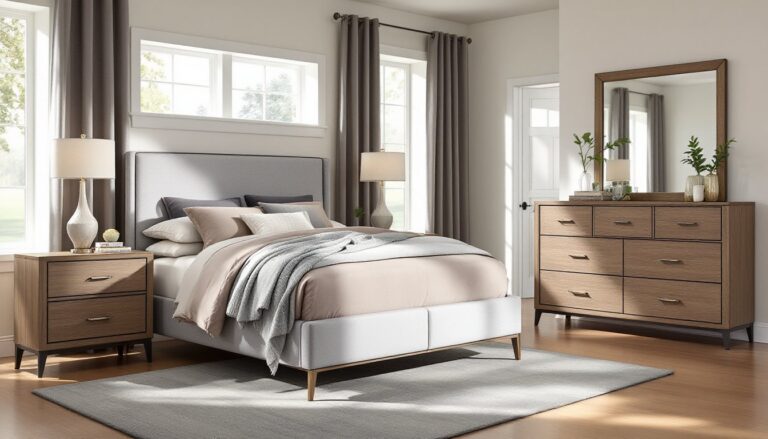
West Elm has earned a reputation for thoughtful design and quality craftsmanship, and their bedroom furniture collection reflects that commitment. Whether you’re furnishing a master suite or updating a guest room, West Elm pieces balance contemporary aesthetics with functional durability, the kind of furniture that works for a decade, not a season. This guide walks you through selecting bed frames, storage solutions, and layered design approaches that let you build a cohesive, livable bedroom without very costly or compromising on style.
Table of Contents
ToggleKey Takeaways
- West Elm bedroom furniture uses solid wood and quality hardware that delivers durability and timeless design at a mid-to-premium price point, making it a ten-year investment rather than seasonal decor.
- Platform and panel beds serve different needs—platform beds work with any mattress and distribute weight evenly, while panel beds provide visual focal points and built-in storage options for smaller rooms.
- Strategic storage solutions like tall narrow dressers, floating nightstands, and layered pieces maximize bedroom livability without overwhelming small spaces.
- Create visual cohesion by committing to 2–3 core materials (like walnut wood and blackened steel hardware) and layering textures through bedding, textiles, and metalwork accents.
- Save 20–30% on West Elm bedroom furniture by shopping holiday sales, checking the outlet section weekly, and buying key pieces in phases rather than complete sets.
- Prioritize investing in a quality bed frame and mattress first, then add dressers and nightstands strategically while mixing budget-friendly pieces from other retailers for a personal, intentional bedroom design.
What Makes West Elm Bedroom Furniture Stand Out
West Elm’s approach to bedroom design prioritizes honest materials and clean lines. You’ll find solid wood frames (walnut, acacia, oak) rather than veneered particleboard, and their metal accents, brass, blackened steel, iron, are substantial enough to feel like they’ll survive a move or two. The brand also avoids the overstuffed, heavily upholstered look that trends out quickly: instead, their pieces are designed to layer with textiles and accessories you can swap seasonally.
Pricing sits in the mid-to-premium range, but the value proposition centers on durability and timeless design. A West Elm bed frame at $600–$1,200 costs more than big-box alternatives but less than high-end makers. They’re explicit about construction (you’ll see frame specs, wood type, and hardware detail on product pages), which means you’re not guessing whether you’re buying a ten-year investment or a five-year placeholder.
Their sustainability messaging, responsibly sourced wood, lead-free finishes, and transparent supply chains, resonates with homeowners who care where their furniture comes from. It’s not greenwashing: they publish detailed sourcing reports. That transparency extends to customer reviews, where you’ll see honest feedback about assembly difficulty, wood movement (a normal characteristic of solid wood), and long-term durability. Real people using real furniture in real homes.
Choosing the Right Bed Frame and Mattress Foundation
Your bed frame sets the tone for the entire room, so spend time understanding your options. West Elm offers platform beds, panel beds, upholstered frames, and adjustable bases, each suited to different styles and needs.
Platform beds are the workhorse choice for modern bedrooms. They feature a solid wood base (typically walnut or white oak) that supports a mattress directly without a traditional box spring. Look at their Mid-Century Collection or Harmony platform beds, which are available in queen, king, and California king. A solid wood platform bed distributes weight evenly, minimizes movement, and pairs well with organic mattresses. Downside: they’re heavier than metal frames, so installation requires two people and clear pathways.
Panel beds incorporate a headboard and footboard, offering visual presence and storage potential (some models feature built-in shelving or drawers). If your bedroom lacks a focal point, a panel bed becomes it.
Upholstered frames add softness and sound absorption, useful if you have light sleepers or hard flooring. West Elm’s upholstered options range from linen to performance fabric, which resists staining and suits homes with kids or pets. The trade-off: upholstered beds require occasional cleaning and can trap dust in seams.
Measure your room before ordering. Nominal bed sizes (queen is nominally 60″ wide × 80″ long) have actual variations by mattress brand, so confirm exact dimensions. Also confirm ceiling height if you’re considering a tall headboard or canopy: you’ll want at least 12–18 inches of clearance above the mattress for breathing room and sight lines.
For mattress compatibility, confirm that your frame accommodates your mattress type. Platform beds work with any mattress, memory foam, innerspring, hybrid, or latex. Box springs are optional but can add height if your frame feels low or if you want to raise the mattress for easier access.
Storage Solutions: Dressers and Nightstands for Small to Large Spaces
Bedroom storage directly affects livability. A dresser stores off-season clothes, and nightstands hold lamps, books, and remotes. West Elm’s storage line ranges from compact two-drawer nightstands to substantial six-drawer dressers with integrated mirrors.
For small spaces, focus on vertical storage. A tall, narrow dresser (say, 30″ wide × 50″ tall) holds as much as a squat five-drawer unit but takes less floor space. Floating nightstands (wall-mounted, no legs) create visual lightness and make cleaning under furniture trivial. West Elm’s Mid-Century nightstands come in heights of 24–28 inches: measure your mattress height and aim for a nightstand that sits 2–3 inches below the mattress surface for comfortable reach.
For larger bedrooms, layered storage works. Pair a dresser with a low chest of drawers (good for storing blankets or off-season items) and two substantial nightstands. This creates visual balance and gives you functional reach from both sides of the bed.
Drawer glides matter more than they sound. West Elm uses quality ball-bearing slides on mid-to-premium models, which means drawers open and close smoothly and won’t sag after three years of use. Check product descriptions for glide type: avoid soft-close mechanisms if your household includes toddlers who slam drawers (the hydraulic dampers can fail).
Finish selection affects both aesthetics and maintenance. Matte finishes (like their whitewashed oak) hide fingerprints and dust, while high-gloss finishes show every smudge. If you have kids or pets, matte is more forgiving. Wood-stain variations are normal and add character: expect slight color differences across drawers.
Remember that mydomaine features modern bedroom design strategies including storage-focused layouts for smaller rooms, worth reviewing if you’re planning a compact footprint.
Creating a Cohesive Bedroom Design With West Elm Pieces
Mixing Modern and Mid-Century Styles
West Elm’s strength is bridging contemporary minimalism and mid-century warmth. A solid wood bed frame (their Mid-Century design with tapered legs) feels retro without costume-y details. Pair it with clean-lined nightstands and a dresser that shares similar proportions and wood tone.
The key to avoiding a scattered look is committing to 2–3 core materials. If your bed is walnut, repeat walnut in your nightstand and dresser. Add brass or blackened steel hardware consistently across pieces. When materials clash (like mixing walnut with white oak), do it intentionally, one accent piece, rather than accidentally mixing three wood tones.
Color coordination keeps the room visually cohesive. Neutral wood tones (walnut, white oak, acacia) work as your foundation. Layer in textiles, bedding, curtains, a runner rug, to introduce color and pattern without committing to painted walls or new furniture.
Layering Textures and Materials
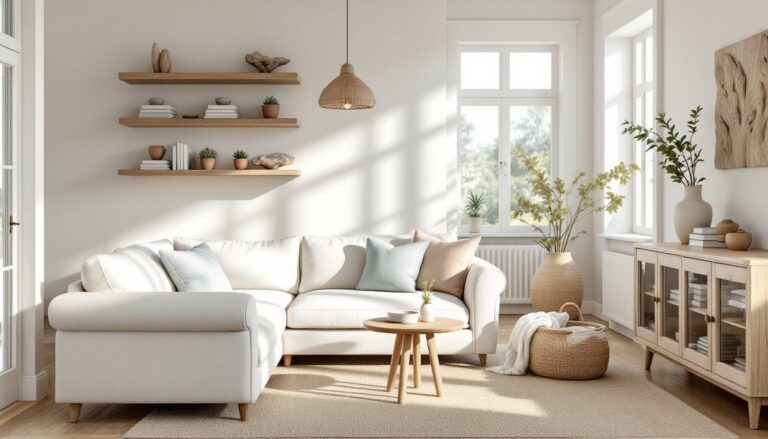
A room with only one wood tone and one finish feels flat. Introduce texture through weighted linen bedding, a chunky-knit throw, a jute or sisal area rug, and woven wall baskets for concealed storage. Design Milk reviews contemporary furniture and finishes that pair beautifully with West Elm’s core pieces if you’re exploring complementary brands.
Metalwork adds visual interest without clutter. A brass or iron pendant above each nightstand, a blackened-steel mirror frame, or metal drawer pulls on your dresser create focal points and catch light. Keep hardware consistent: if your bed frame has blackened steel, use the same finish on lamps and mirrors.
Lighting transforms a bedroom. Task lighting (bedside table lamps or wall-mounted reading lights) should be dimmable for evening wind-down. Ambient lighting, a ceiling fixture or pendant, sets the overall mood. West Elm’s lighting pairs naturally with their furniture because they share design language (clean lines, quality materials, honest construction).
Textiles do most of the heavy lifting. Invest in a quality mattress topper or weighted blanket, layered sheets (cotton-linen blends breathe better than pure cotton), and throw pillows in complementary colors. Swap bedding seasonally: winter calls for flannel, summer for crisp linen. This approach costs less than buying new furniture and keeps the space feeling fresh.
Budget-Friendly Tips for Shopping West Elm Furniture
West Elm furniture isn’t cheap, but strategic shopping stretches your budget. Start by prioritizing: your bed frame and mattress should be your largest investment (quality sleep is non-negotiable), followed by a good dresser. Nightstands can be simpler or sourced elsewhere if needed.
Watch for sales cycles. West Elm runs major sales around holiday weekends (Labor Day, Thanksgiving, Black Friday, New Year’s). Sign up for their email list and check their Sale section weekly: you’ll catch 20–30% discounts on select pieces. Outlet furniture (discontinued colors or slightly imperfect items) offers another path to savings. Their online outlet section rotates frequently, so check back often.
Consider buying only key pieces from West Elm and mixing in budget-friendly options from other retailers. A substantial West Elm dresser as your anchor piece, combined with a simple IKEA nightstand and a solid wood bed frame from a specialty maker, can feel cohesive if wood tones and hardware align.
Buy in phases. You don’t need everything at once. Start with a bed frame and one nightstand, then add storage as your budget allows. Most rooms live for years without a matching furniture set: layering pieces over time (and saving up) often results in a more personal, intentional space.
Check the return policy before ordering. West Elm typically allows 30 days for returns on most items, but large furniture requires scheduling a pickup or drop-off. Factor in shipping costs (heavy items like dressers can cost $100–$300 to ship depending on location). Sometimes an in-store purchase eliminates shipping and lets you inspect finish quality face-to-face.
For platform beds and larger pieces, Elle Decor’s guide to platform beds includes West Elm options and contextualizes their value against other brands, useful if you’re comparing options. Finally, don’t overlook floor models or display pieces at your local West Elm store: staff can negotiate discounts on slightly damaged inventory that ships directly to your home.