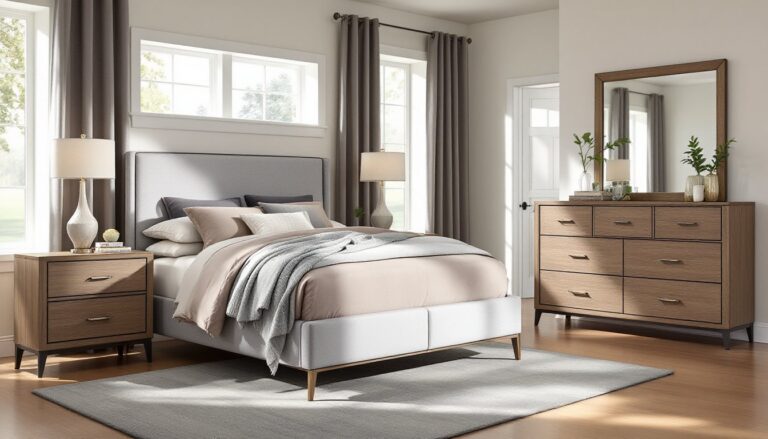
White bedroom furniture has remained a reliable choice for homeowners who want brightness, versatility, and a clean aesthetic that works with almost any design direction. Whether you’re furnishing a master bedroom, guest room, or kids’ space, a white bedroom furniture set offers flexibility that darker woods or bolder finishes simply can’t match. This guide breaks down what makes white furniture work, which pieces matter most, how to match it with different design styles, and what you need to know about selecting and maintaining a set that’ll look sharp for years.
Table of Contents
ToggleKey Takeaways
- A white bedroom furniture set reflects light and makes rooms feel larger while serving as a neutral canvas that pairs with virtually any design style without looking dated.
- Essential pieces for a complete white bedroom furniture set include a sturdy bed frame with center support, a 48–60″ dresser with full-extension drawer slides, and appropriately-sized nightstands aligned with mattress height.
- White furniture works beautifully with modern, farmhouse, Scandinavian, transitional, and romantic design styles, but avoid pairing it with industrial raw concrete or heavily stained wood finishes.
- Measure your bedroom carefully before purchasing—including doorways and clearance for drawers—and choose solid wood or cabinet-grade plywood over particle board for durability that lasts at least five years.
- Maintain white furniture by dusting weekly, blotting spills immediately, using white-furniture-specific cleaners, and protecting surfaces with coasters and felt pads while using UV-blocking window treatments to prevent yellowing from sunlight.
Why White Bedroom Furniture Remains a Top Choice for Modern Homes
White furniture works because it reflects light, making smaller bedrooms feel larger and brighter without needing major renovations or skylights. It’s also a neutral canvas, white pairs equally well with soft pastels, bold accent walls, dark flooring, or natural wood tones. Unlike trendy colors that feel dated in five years, white stays relevant.
Practically speaking, white finishes come in several variations: pure bright white (high reflectivity, sometimes reads cool), off-white or cream (warmer, easier on the eyes), and weathered or distressed white (casual, country-style appeal). Each brings a different vibe to the same room. You can completely change your bedroom’s personality by swapping out bedding, paint, or accessories without touching the furniture itself.
White also hides complexity. A bedroom furniture set with mixed wood tones, mismatched handles, or imperfect joints reads as intentionally rustic or eclectic when finished in white. That same piece in dark cherry would look sloppy. This means white furniture often delivers better visual impact at a lower price point than premium darker finishes.
Essential Pieces to Include in Your White Bedroom Furniture Set
Bed Frames and Headboards
The bed is your set’s anchor, and the headboard sets the room’s tone. A white bed frame typically spans 39″ wide for a twin, 54″ for a full, 60″ for a queen, and 76″ for a king (nominal dimensions vary slightly by manufacturer). Standard heights run 24–28″ from floor to mattress top.
Headboard styles matter. A simple panel headboard (flat, minimal design) works in modern and Scandinavian spaces. An upholstered headboard adds softness and a luxury feel, check that the fabric is stain-resistant if you have kids or pets. A wooden slatted or carved headboard brings texture and works in farmhouse, rustic, or transitional rooms. Some sets include a matching footboard: others don’t. Footboards take up visual space and can make a room feel cramped if it’s under 200 square feet, but they complete the look in larger spaces.
Make sure the frame includes a center support rail or legs, cheap frames skip this and sag after a year or two. Check weight limits if you need to support a memory foam mattress, which is heavier than spring.
Storage Solutions: Dressers and Nightstands
A standard dresser runs 48–60″ wide, 18–20″ deep, and 30–36″ tall (five to seven drawers). Nightstands are typically 24–28″ wide, 16–18″ deep, and 24–30″ tall to align with mattress height. In a tight bedroom, a single nightstand on the side with the best access beats cramming two small ones into tight corners.
Drawer depth matters, shallow drawers (8–10″ inside) work for socks and delicates: deeper drawers (12–14″) handle sweaters and jeans. Check drawer slides: metal ball-bearing slides (also called full-extension) last longer than plastic or simple wooden tracks. Soft-close drawers cost $20–40 more per piece but prevent slamming and are safer if you have young kids.
Storage capacity often determines whether a set feels complete. If your bedroom lacks a closet or you have limited closet space, a dresser alone won’t cut it, you may need to add a second piece or choose a bed with built-in storage drawers underneath.
Design Styles That Work Best With White Bedroom Sets
Modern and Minimalist: Clean lines, flat surfaces, chrome or brushed nickel hardware, and a focus on function. Pair white furniture with gray, black, or navy bedding and minimal accessories. This style works beautifully in small spaces and feels contemporary without trend-chasing.
Farmhouse and Cottage: Distressed or whitewashed finishes, shaker-style drawer fronts, and vintage-inspired hardware (black wrought iron, bin pulls). Layer in natural linen, plaid, or gingham textiles. This approach feels homey without looking kitschy when executed with restraint.
Scandinavian: Emphasis on light wood paired with white upholstery and natural fibers. Think simple, functional pieces with minimal ornament. Soft textiles and plants complete the vibe.
Transitional: White furniture bridges traditional and contemporary. Use it with classic elements (like a tufted headboard) alongside modern lighting and sleek hardware. A transitional room feels timeless rather than trendy.
Romantic or Vintage: Ornate carved details, an upholstered headboard in soft fabrics, and delicate hardware suit this direction. Layered bedding, lace accents, and botanical prints reinforce the style, and white furniture living room aesthetics often translate directly to bedrooms.
Avoid pairing white bedroom furniture with industrial raw concrete, heavily stained wood, or very dark, moody color schemes, white tends to look jarring against those backdrops. Test paint samples on your walls before committing.
How to Select the Right White Bedroom Furniture Set for Your Space
Start by measuring your bedroom. Include doorway width (can you actually fit the dresser through the door?), bed placement (does the headboard block a window or outlet?), and clearance for drawers and doors to open fully. A queen bed with two nightstands and a dresser needs roughly 150+ square feet to feel comfortable: less and you risk a cramped, cluttered room.
Consider material. Solid wood (pine, oak, or maple) is durable and repairable but costs more and is heavier. Plywood construction with veneer is lighter, often cheaper, and perfectly functional if the plywood is cabinet-grade (not particle board). Particle board is the budget basement, it sags under weight and doesn’t take screws well if you need to add a rail or shelf later. Check the manufacturer’s spec sheet: they’ll always list materials.
Finish durability matters for white furniture. A polyurethane or lacquer topcoat resists stains and scratches better than plain paint. Matte finishes hide dust and fingerprints: high-gloss shows everything but looks more luxe. Ask the retailer about touch-up markers or refinishing services, white scratches are visible.
Budget realistically. A quality mid-range set (solid pine frame, plywood case, decent hardware) runs $1,200–2,000 for a bed, dresser, and two nightstands. Cheap sets ($400–800) won’t last a decade. Premium sets ($3,000+) often add upholstery, exotic wood veneers, or designer names rather than durability. When comparing prices, factor in shipping and assembly, full-service white-glove delivery adds $200–500 but saves headaches.
Check return policies. Furniture is bulky and returns are expensive: make sure you can at least inspect for defects within 30 days. Read reviews for the specific set, not just the brand, one model might have great drawer slides while another from the same maker gets complaints about warping.
Consider how a set fits into your room’s overall plan. Will you need to add a furniture set that transforms your home with complementary pieces like a bench, bookshelf, or entertainment console? Can you commit to this white furniture for at least five years, or are you in a transition phase? Flexibility matters if you’re renting or expect major life changes soon.
Maintenance and Care Tips for White Furniture
White shows dust and shows marks, so realistic expectations save frustration. Dust weekly with a soft cloth or microfiber duster, regular dust buildup dulls the finish. For spills, blot immediately with a dry cloth, then use a slightly damp cloth with a mild soap solution (a few drops of dish soap in warm water). Never soak wood furniture: water ruins finishes.
For stubborn marks or fingerprints, a white-furniture-specific cleaner (check furniture retailers or home design resources like Homedit for recommendations) works better than generic all-purpose sprays. Always test cleaners on a hidden area first. Avoid harsh abrasives, scouring pads, or anything with bleach, these damage white finishes and can leave streaks.
Sunlight causes yellowing or uneven fading. Use curtains or UV-blocking window film if your bedroom gets strong afternoon sun. Rearrange artwork and décor occasionally to avoid permanent discoloration patterns on surfaces.
Handle hardware and hinges gently. Tighten loose handles or drawer pulls every few months, vibrations from daily use loosen hardware. If a handle breaks, replace it promptly (handles are cheap, $5–25 each): a missing handle puts extra stress on the drawer and frame.
Prevent damage by using coasters under glasses and lamps, felt pads under objects you move frequently, and a pad under the bed if you slide it during cleaning. Avoid placing hot items directly on surfaces: use trivets or heat-resistant mats. In humid climates, a dehumidifier in the bedroom protects white finishes from moisture-related warping or mildew.